






Scalp Micropigmentation in Gurgaon

Most Trusted Hair Transplant Clinic in India
Hairs Restored Globally
Hairs Restored Globally
There’s a reason we’re setting the standard in hair restoration across Australia, India, and Latin America
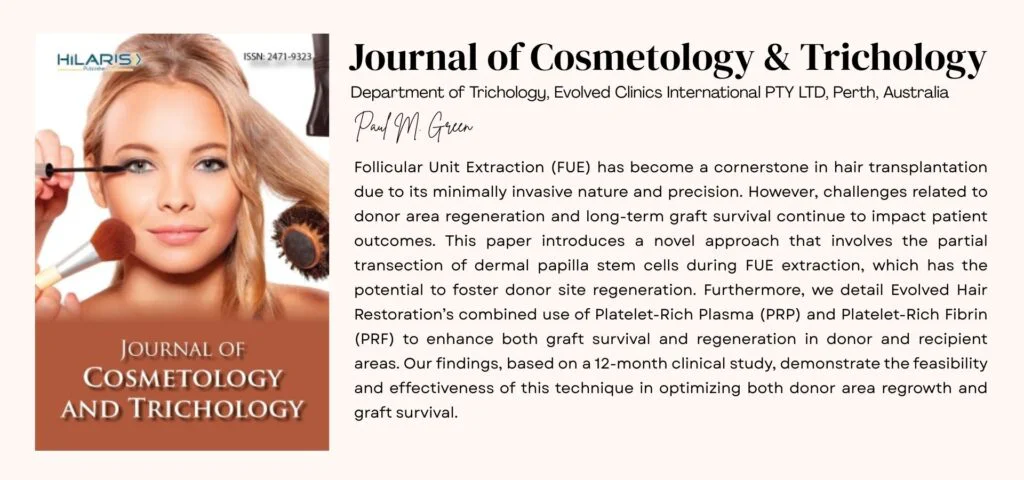
At Evolved, we take pride in our clinics spanning across 3 continents (India, Australia and Latin America) led by our Medical Director, Dr Ajay Dubey, with over 20 years of hair transplant experience and an International Trichologist, Paul Green, with more than 30 years of experience in advising on hair and scalp issues — we’re committed to excellence in every hair we regrow.
Unlike many other clinics in Lucknow, every procedure at Evolved is exclusively led and performed by qualified doctors, following Australian safety protocols and NMC (National Medical Council) guidelines.
We’re more than just a clinic – we are a global leader in hair restoration. Join the thousands who have trusted us to live a fuller, more confident life.
Technique
FUT vs FUE vs Direct (Advanced Implanter Technique)
| Area | Parameter | FUT Technique | FUE Technique | Evolved’s Direct Technique |
|---|---|---|---|---|
| Extraction | Method | Surgical strip removal | Grafts removed via reusable punches | Grafts removed via single-use, imported micro-punches |
| Invasiveness and Level of Pain | Highly painful – cutting & sutures | Moderate pain | Pain-free | |
| Who Performs Extraction? | Technicians / Nurses | Technicians / Nurses | Only qualified Doctor | |
| Scarring | Linear scar | Dot-like scars | Undetectable scars | |
| Graft Preservation | Graft Exposure Time and Survival | <60% | 70–80% | ~100% |
| Implantation | Method | 2 steps slit method | 2 steps slit method | 1 step with Choi implanter |
| Who Inserts the Follicles? | Technicians / Nurses | Technicians / Nurses | Only qualified Doctors | |
| Angle, Depth, Direction Control | No control due to technician involvement | No control due to technician involvement | 100% Doctor-led precise control | |
| Recovery Time | ~2 months | ~2 weeks | ~2 days |
Technique
Scalp Micropigmentation in Gurgaon: What the Price Actually Includes
Scalp micropigmentation pricing in Gurgaon can look confusing from the outside, with quotes ranging widely between clinics for what sounds like the same service. The truth is that scalp micropigmentation, often called SMP, is priced based on several specific variables, not a flat per-session rate, and understanding these factors makes it much easier to evaluate whether a quote is fair for your situation.
What Is Scalp Micropigmentation, Exactly
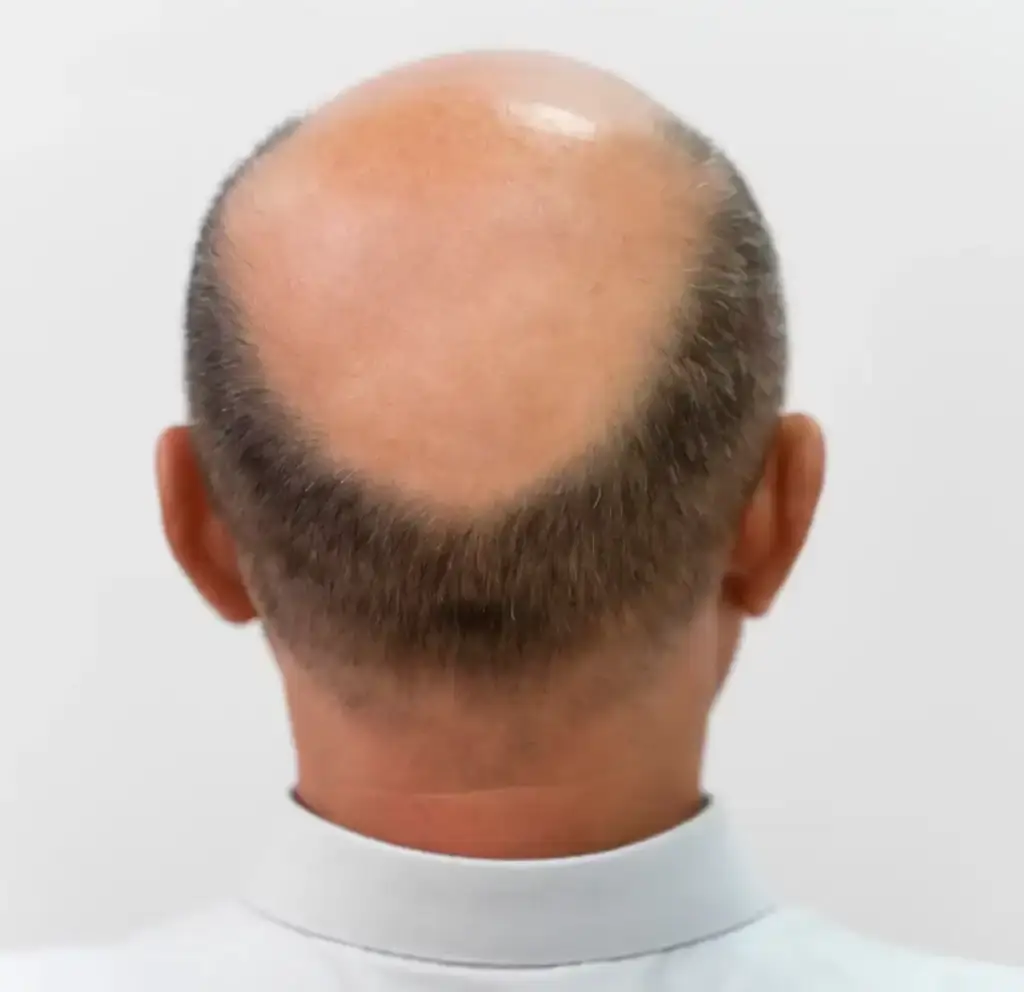
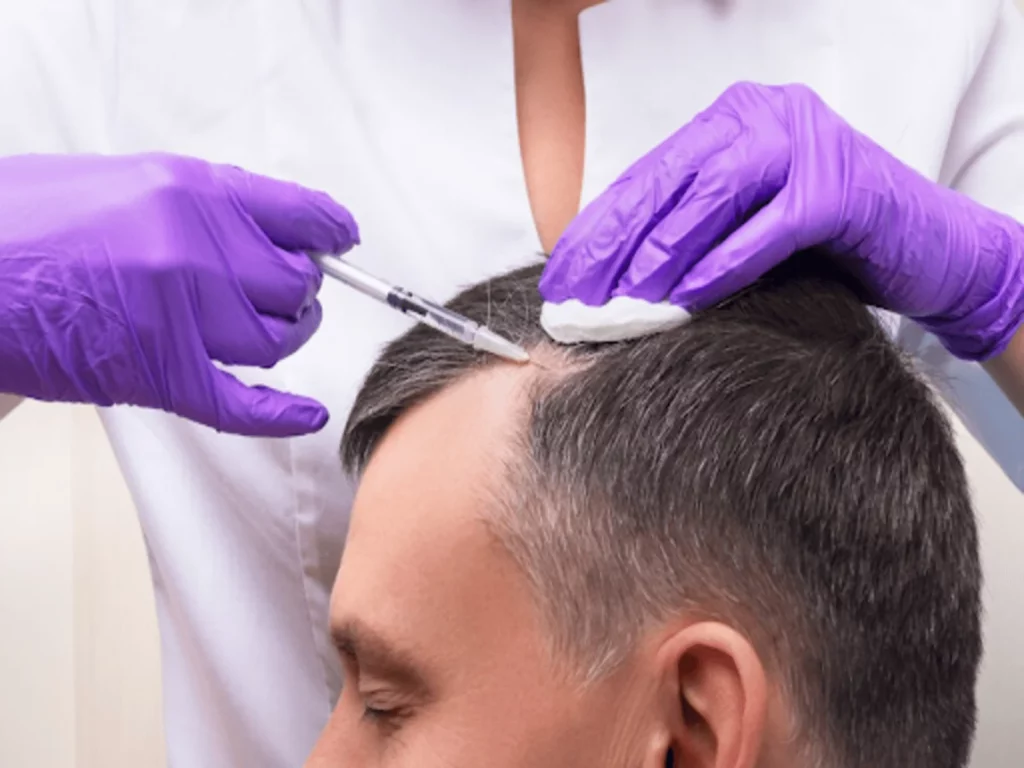
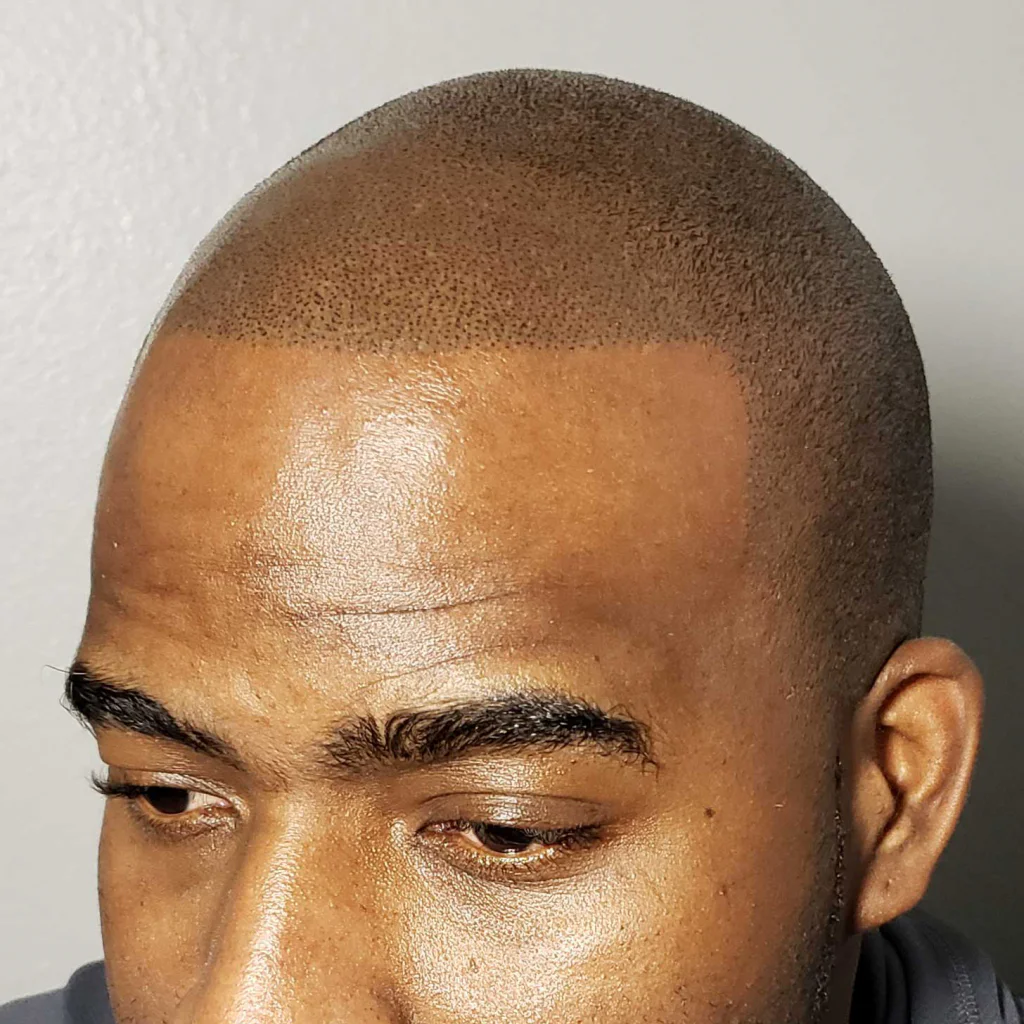
Scalp micropigmentation is a non-surgical cosmetic technique where specialized pigment is deposited into the scalp using fine needles, creating the visual appearance of tiny hair follicles. It doesn’t regrow hair or address the biological cause of hair loss. Instead, it creates a cosmetic illusion of density, commonly used to camouflage thinning areas, a receding hairline, or a fully shaved head look for patients with advanced baldness.
The Core Factors That Determine SMP Price
- Area of coverage: Treating a small thinning patch costs significantly less than covering a fully bald scalp or an entire receded hairline.
- Number of sessions required: SMP is rarely completed in one visit. Most cases require two to four sessions spaced a few weeks apart to build up natural-looking density and allow pigment to settle properly.
- Pigment quality and technique: Clinics using higher-grade, specially formulated pigments designed to age naturally and avoid the common blue-grey discoloration seen with lower-quality ink tend to price differently than budget providers.
Why Two Clinics Can Quote Very Different Prices for the Same Scalp
A lower quote often means fewer sessions included, a less experienced practitioner, or standard tattoo ink rather than pigment specifically formulated for scalp use. It is reasonable to ask directly what is included in a quoted price, how many sessions it covers, and what pigment brand or type will be used.
Who Is SMP Actually Suitable For
SMP works well for patients who want a low-maintenance, immediate cosmetic solution, particularly those with advanced baldness who prefer a clean, shaved-head aesthetic over pursuing surgical restoration. It’s also commonly used to add the appearance of density between existing hair transplant grafts, or to help camouflage donor area scarring in patients who have had a previous procedure elsewhere.
Is SMP a Substitute for a Hair Transplant
Not exactly. SMP is a cosmetic technique, not a biological hair restoration solution. Patients who want actual hair growth, not just the visual appearance of density, are usually better suited to procedures like a transplant. Women considering restoration options that involve real hair regrowth are often guided toward evaluating a female hair transplant instead, since SMP’s short buzzed-hair aesthetic doesn’t typically suit longer hairstyles that many women prefer.
How to Evaluate a Fair SMP Price in Gurgaon
Before committing, ask for a written breakdown covering the total number of sessions included, the pigment type being used, whether touch-ups are included in the initial price, and what the expected maintenance schedule looks like over the following years. Comparing quotes on this basis, rather than a single number, gives a far more accurate picture of value.
What Evolved Hair India Includes in an SMP Consultation
At Evolved Hair India, SMP pricing is only finalized after assessing the treatment area, desired density, and number of sessions needed for your specific case. Patients receive a clear explanation of what the price covers before starting, including how many sessions are planned and what maintenance to expect over time.
Scalp micropigmentation pricing makes sense once you understand what actually goes into each session, the coverage area, the pigment quality, and the practitioner’s skill. A clear, itemized quote will always tell you more than a single number ever could.
Frequently Asked Questions
1. How many sessions does scalp micropigmentation usually require?
Most cases require two to four sessions spaced a few weeks apart to build natural-looking density and allow the pigment to settle.
2. Does scalp micropigmentation fade over time?
Yes, pigment gradually fades over several years and typically requires a touch-up session to maintain its appearance.
3. Is SMP a permanent solution?
It is considered semi-permanent rather than permanent, since the pigment fades gradually and needs periodic maintenance.
4. Can SMP be combined with a hair transplant?
Yes, SMP is often used to add the appearance of density between transplanted grafts or to help camouflage scarring from a previous procedure.
5. Does scalp micropigmentation hurt?
Most patients describe mild discomfort similar to a tattoo, and topical numbing is typically used to keep the process comfortable.
6. Is SMP suitable for women with thinning hair?
It can be, particularly for camouflaging a widening part line, though it is generally more suited to shorter or closely cropped hairstyles.
Common Reasons for Hair Loss in Gurgaon
High Pollution Levels
Hard Water Supply
Stress & Busy Lifestyle
Nutritional Deficiencies
Genetic Hair Loss
Hormonal Imbalances
Scalp Conditions & Medical Treatments
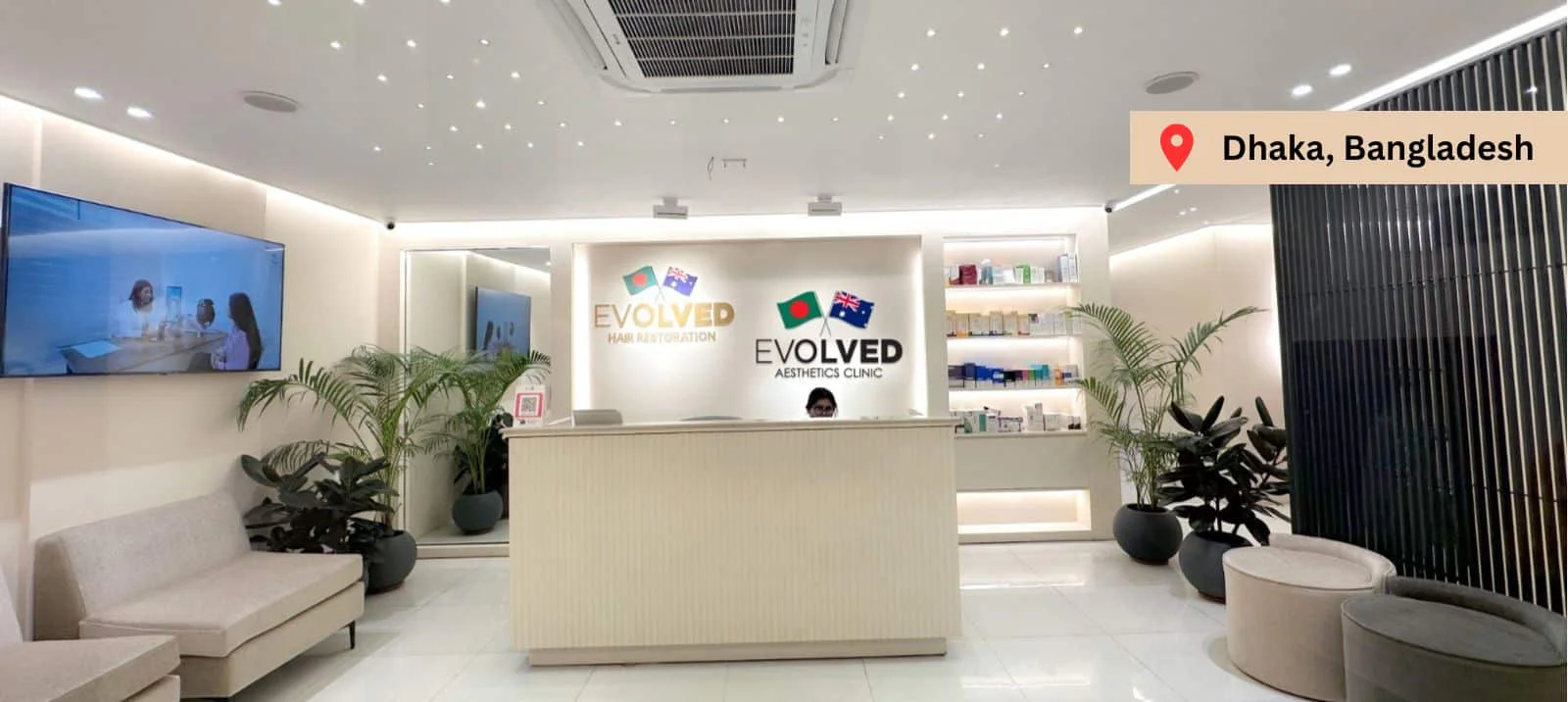
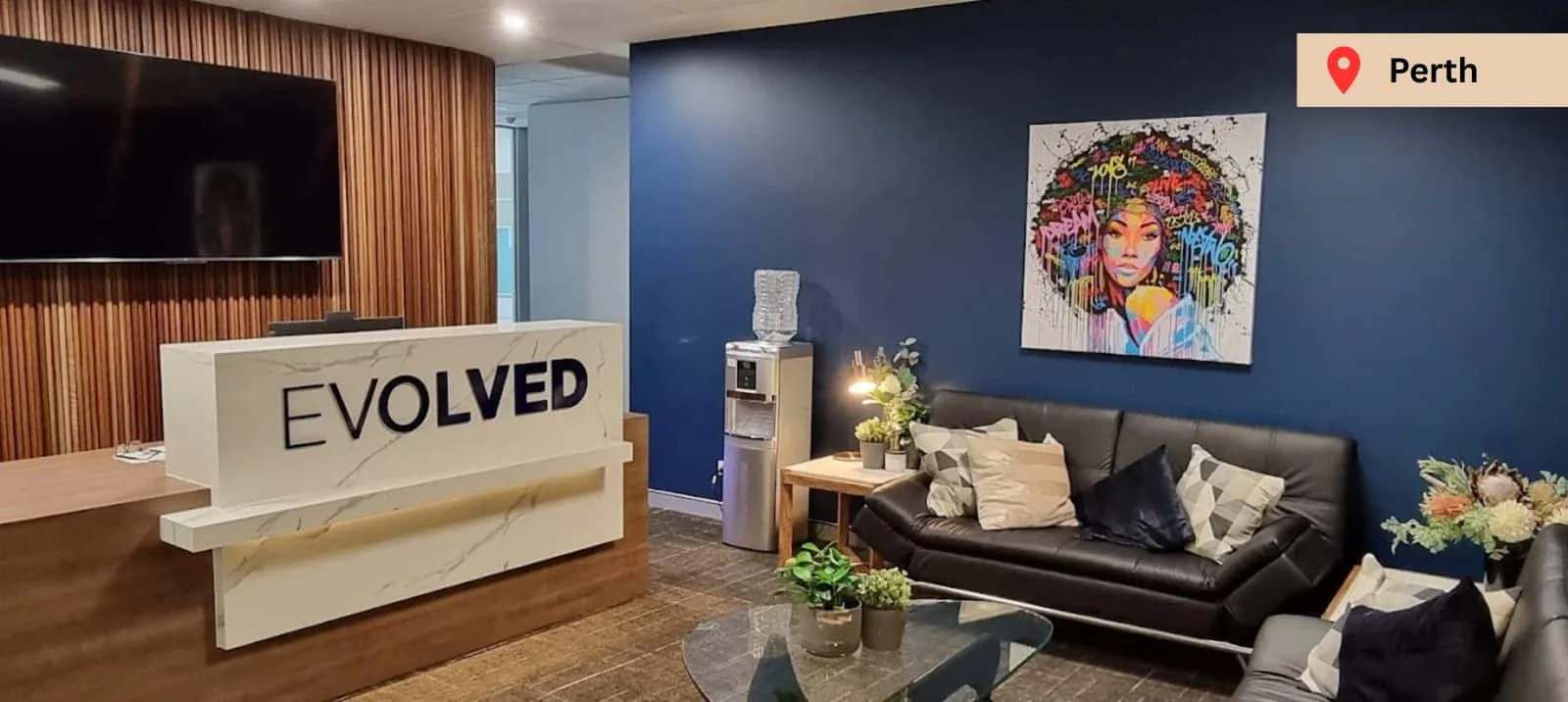
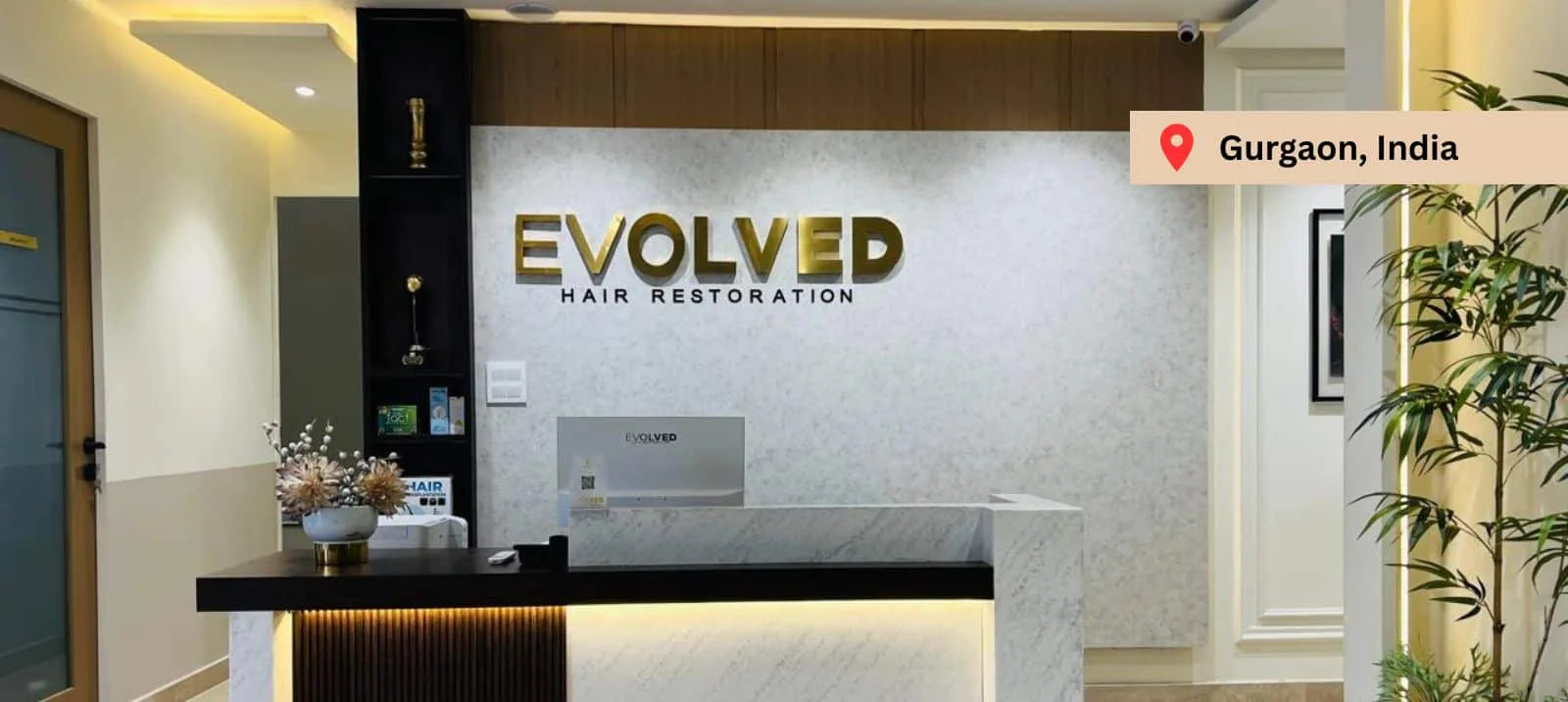
Meet Our Clinics and Hair Loss Experts
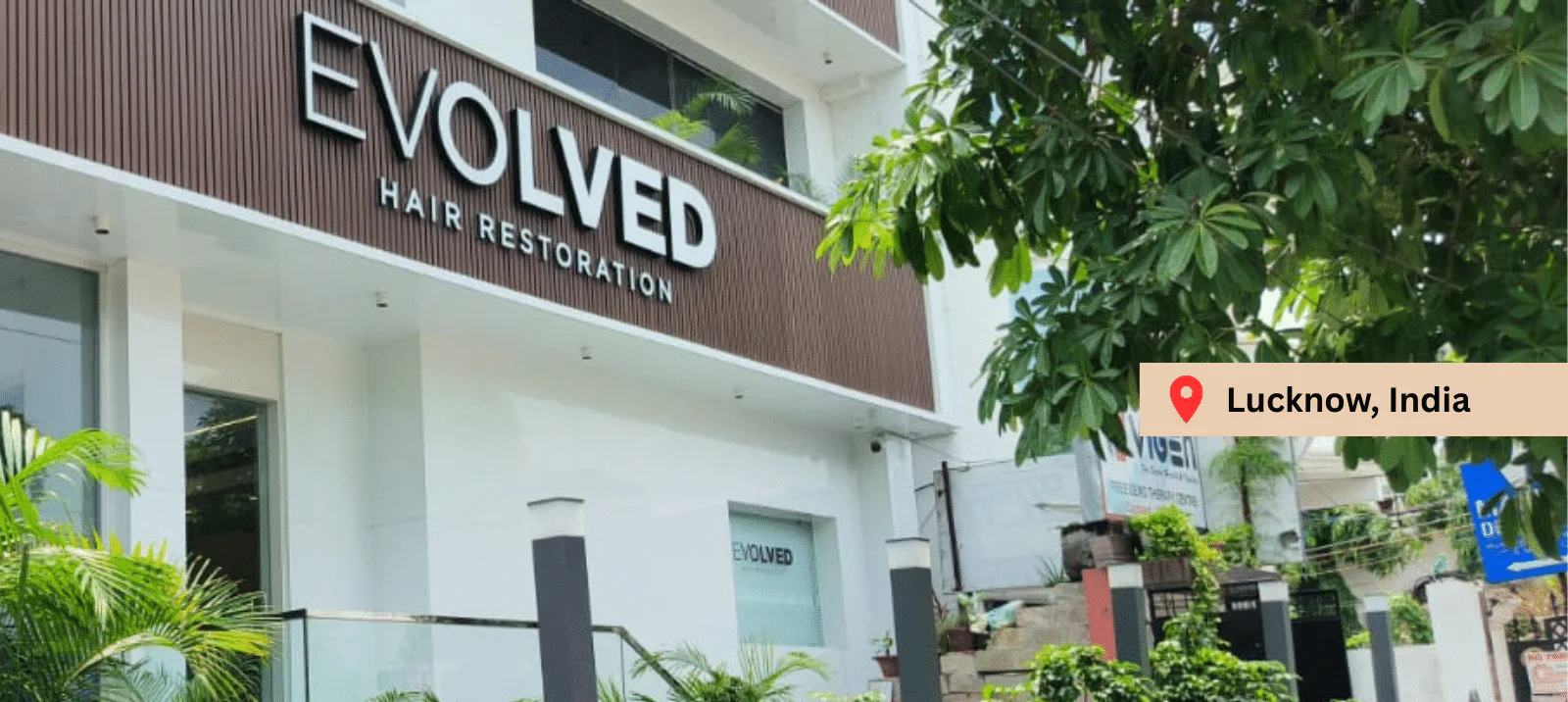
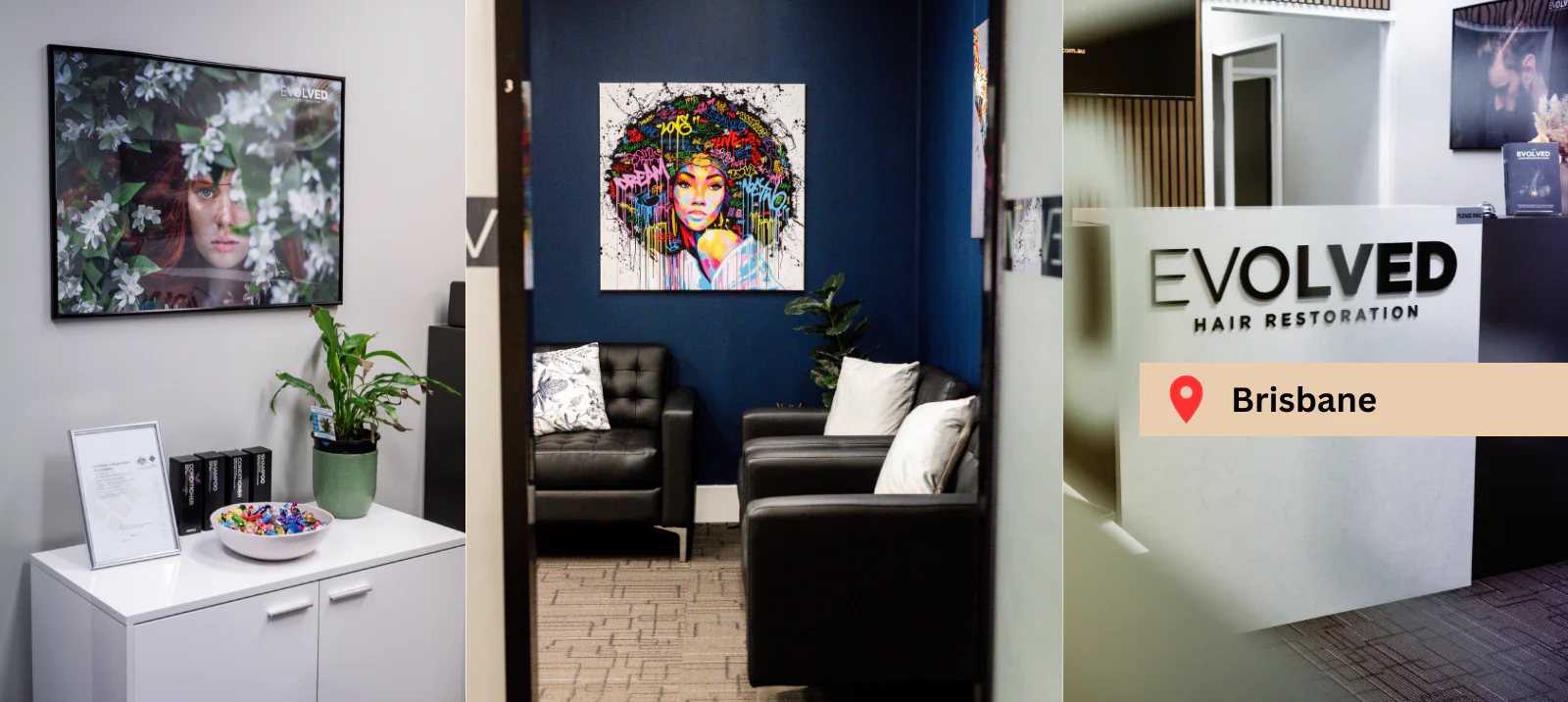
At Evolved Hair India, priority is given to the skills of our doctors and quality of treatment in our clinics. Each procedure is performed entirely from start to finish by experienced, qualified trained medical doctors (not assistants or technicians) to ensure that patients are always safe in their hands. Our direct technique is the most advanced in the world and provides the most natural results. The clinic infrastructure is high-tech, with rigid Australian standards of safety, and use the most sterile conditions to provide a comfortable and safe experience for all patients. It is this dedication to excellence in both clinical care and medical expertise that makes Evolved Hair India the go-to name in hair restoration.
Our Clinics
Our Doctors
Have Queries? - Get in Touch
Book Appointment
Our Blogs
Views on latest research, innovation technologies and best practices