





Inside a Modern Scalp Clinic in Gurugram

Most Trusted Hair Transplant Clinic in India
Hairs Restored Globally
Hairs Restored Globally
There’s a reason we’re setting the standard in hair restoration across Australia, India, and Latin America
At Evolved, we take pride in our clinics spanning across 3 continents (India, Australia and Latin America) led by our Medical Director, Dr Ajay Dubey, with over 20 years of hair transplant experience and an International Trichologist, Paul Green, with more than 30 years of experience in advising on hair and scalp issues — we’re committed to excellence in every hair we regrow.
Unlike many other clinics in Lucknow, every procedure at Evolved is exclusively led and performed by qualified doctors, following Australian safety protocols and NMC (National Medical Council) guidelines.
We’re more than just a clinic – we are a global leader in hair restoration. Join the thousands who have trusted us to live a fuller, more confident life.
Technique
FUT vs FUE vs Direct (Advanced Implanter Technique)
| Area | Parameter | FUT Technique | FUE Technique | Evolved’s Direct Technique |
|---|---|---|---|---|
| Extraction | Method | Surgical strip removal | Grafts removed via reusable punches | Grafts removed via single-use, imported micro-punches |
| Invasiveness and Level of Pain | Highly painful – cutting & sutures | Moderate pain | Pain-free | |
| Who Performs Extraction? | Technicians / Nurses | Technicians / Nurses | Only qualified Doctor | |
| Scarring | Linear scar | Dot-like scars | Undetectable scars | |
| Graft Preservation | Graft Exposure Time and Survival | <60% | 70–80% | ~100% |
| Implantation | Method | 2 steps slit method | 2 steps slit method | 1 step with Choi implanter |
| Who Inserts the Follicles? | Technicians / Nurses | Technicians / Nurses | Only qualified Doctors | |
| Angle, Depth, Direction Control | No control due to technician involvement | No control due to technician involvement | 100% Doctor-led precise control | |
| Recovery Time | ~2 months | ~2 weeks | ~2 days |
Technique
Inside a Modern Scalp Clinic in Gurugram: What Actually Happens Behind the Scenes
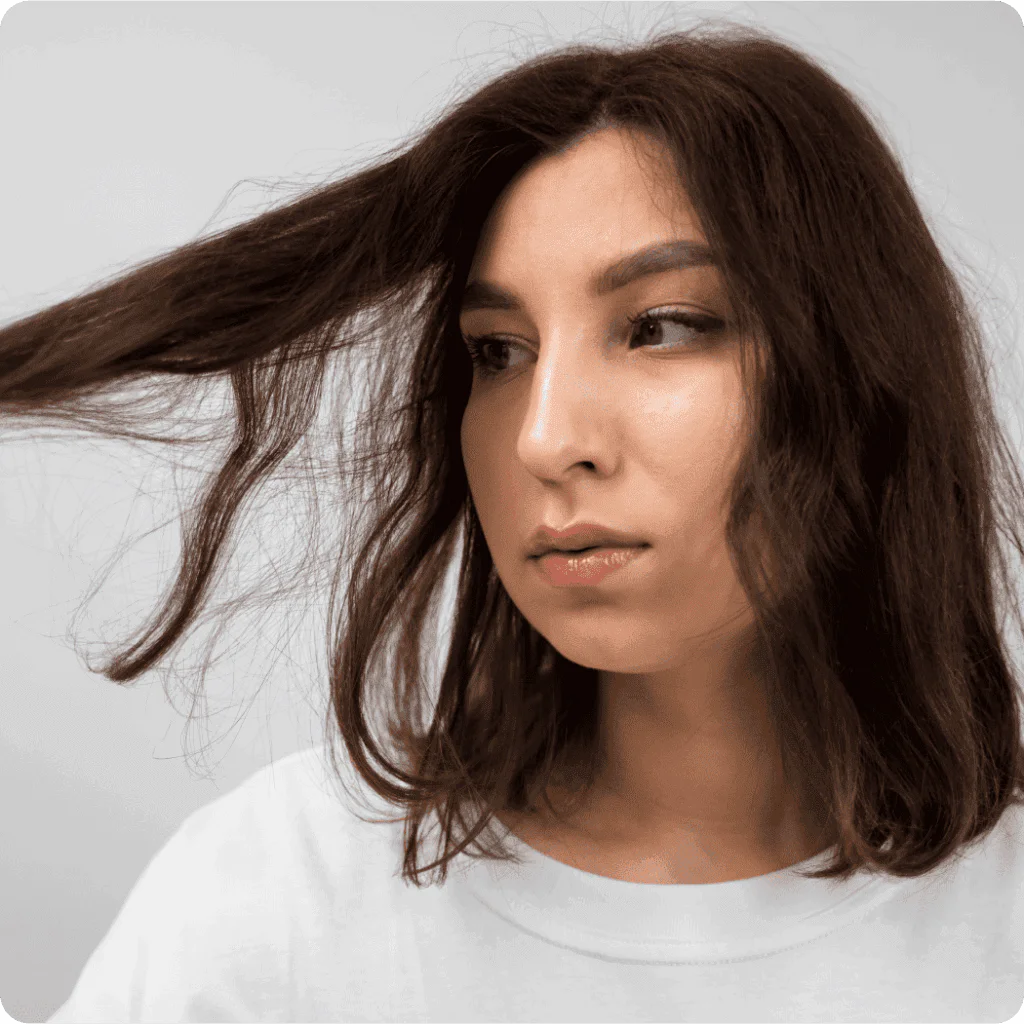
Roughly 50 percent of men and nearly 40 percent of women experience noticeable hair thinning by the time they reach their forties, yet most people still walk into a salon instead of a scalp clinic when the problem starts. That gap between the scale of the issue and where people actually seek help is exactly why dedicated scalp clinics exist. A scalp clinic in Gurugram is built around one purpose: treating the scalp as a medical concern, not a cosmetic one.
A Scalp Clinic Starts With Diagnosis, Not Products
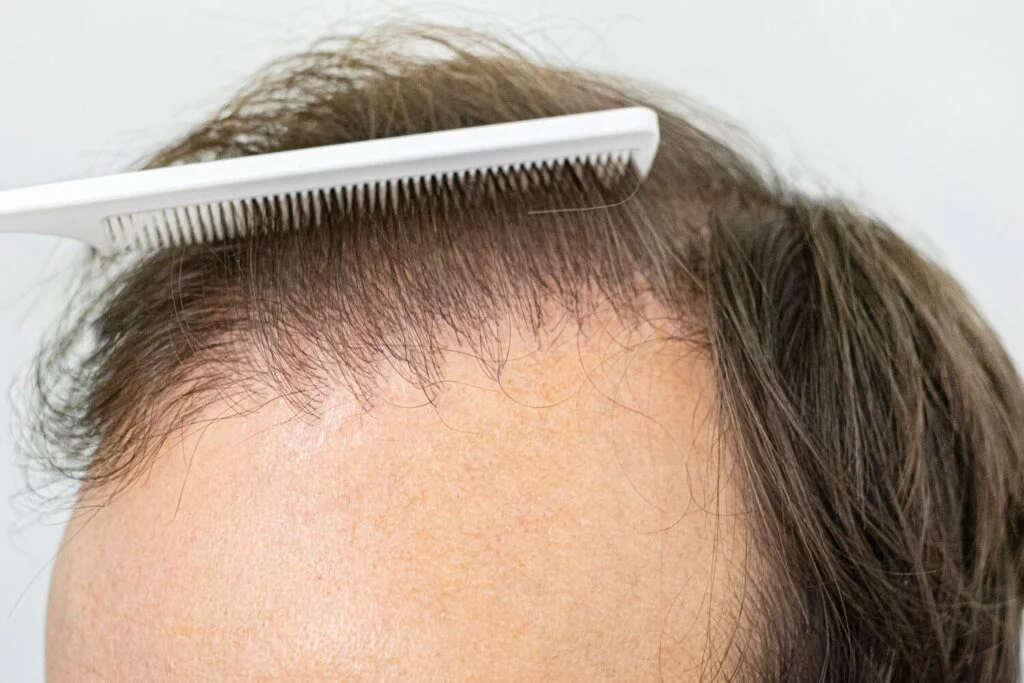
Walk into a typical scalp clinic, and the first thing that happens is not a product recommendation. It is an assessment. Using tools like trichoscopy, clinicians examine follicle density, hair shaft thickness, and signs of scalp inflammation. This step alone separates a clinic from a salon, because it identifies whether thinning is caused by genetics, hormones, nutritional gaps, or an underlying scalp condition like seborrheic dermatitis.
Treatment Plans Are Built Around the Cause, Not the Symptom
Once the cause is identified, the treatment plan follows logically. For example:
- Hormonal thinning may require a combination of medical management, such as minoxidil or finasteride, alongside lifestyle changes
- Inflammatory scalp conditions are treated medically before any hair regrowth therapy begins
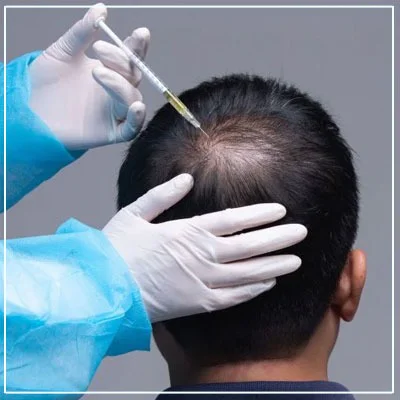
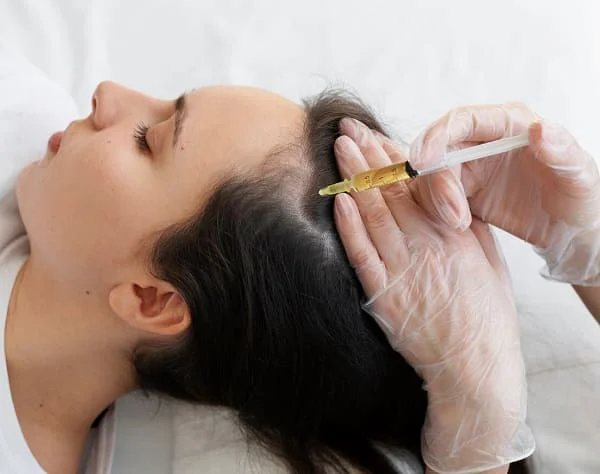
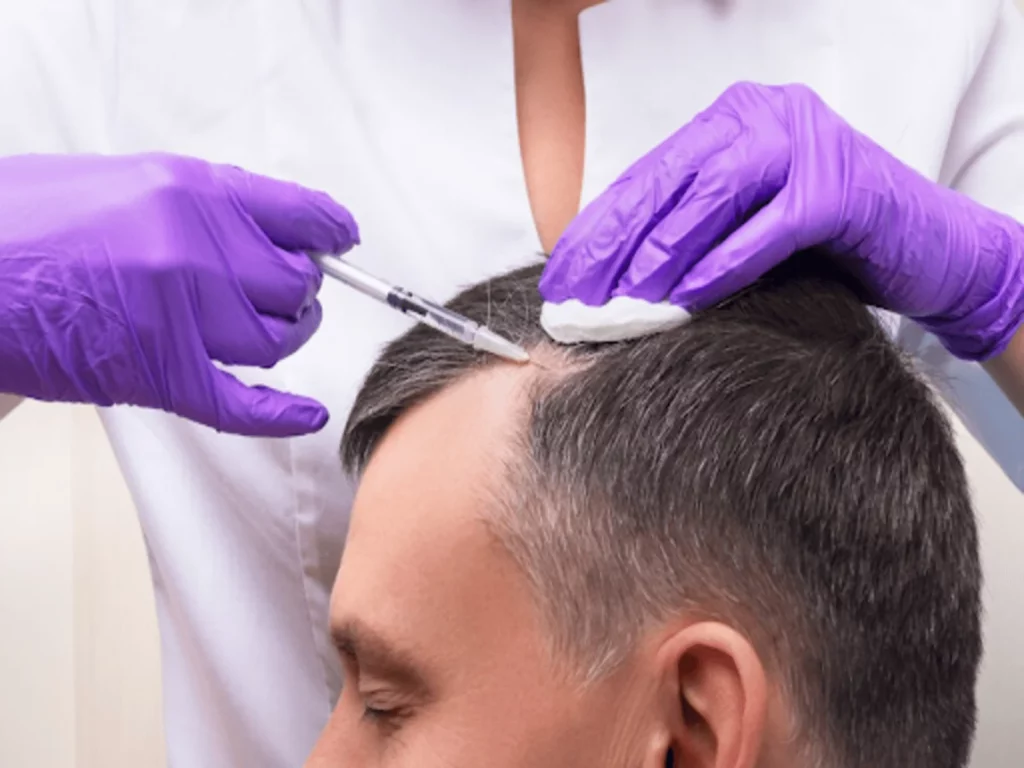
- Genetic pattern hair loss often responds well to regenerative treatments like GFC, a blood nourishment therapy that uses concentrated growth factors from the patient’s own blood to support follicle activity, or PRP, Platelet Rich Plasma therapy that works on a similar principle
This cause-first approach is why scalp clinics tend to produce more consistent outcomes compared to generic over-the-counter regimens.
Where Newer Regenerative Options Fit In
Beyond GFC and PRP, some scalp clinics now offer Exosome therapy, a newer regenerative approach that uses cell-derived signalling molecules to support the scalp environment around thinning follicles. It is important to note that Exosome therapy is not currently FDA-approved, and clinics offering it should be transparent about that regulatory status rather than implying formal approval. It is typically considered for patients who have already tried basic topical treatments without meaningful improvement, and is usually discussed as part of a broader, multi-step treatment plan rather than a standalone fix. Mesotherapy, which delivers a mix of vitamins and growth-supporting compounds directly into the scalp, is sometimes used alongside these regenerative options as well.
Technology Plays a Bigger Role Than Most People Expect
A modern scalp clinic in Gurugram typically uses digital trichoscopes that magnify the scalp up to 200 times, allowing clinicians to track follicle miniaturization long before it becomes visible to the naked eye. Some clinics also use scalp analysis software that compares images over time, giving both the doctor and the patient objective evidence of whether a treatment is working, rather than relying on guesswork.
Non-Surgical Treatments Are Often the First Line of Defence
Contrary to popular belief, scalp clinics do not push every patient toward a transplant. Many cases, particularly early-stage thinning, are managed through non-surgical options first, including QR678, an injectable growth factor treatment designed to stimulate existing follicles. These are recommended before surgery is even discussed, since regenerative treatments work best when there is still active follicle function to support.
Hygiene and Sterilization Standards Matter More Than People Realize
Because many scalp treatments involve minor procedures like injections or microneedling, sterilization protocols are a critical part of how a legitimate scalp clinic operates. Single-use needles, sterilized equipment, and a clean procedure room are basic non-negotiables, and it is reasonable for patients to ask about these standards before starting treatment.
Follow-Up Is Where Most of the Real Work Happens
A single visit rarely tells the full story. Scalp treatments, whether medical or regenerative, typically need three to six months of consistent follow-up before meaningful changes appear. Clinics that schedule structured follow-ups, rather than a one-time consultation, tend to give a more accurate picture of progress and adjust the plan if the initial approach isn’t working as expected.
How Evolved Hair India Structures Scalp Care in Gurugram
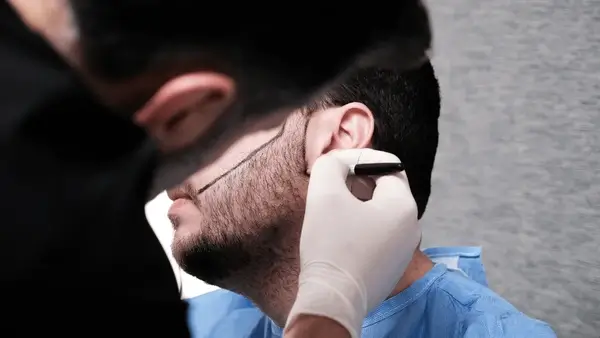
At Evolved Hair India, scalp consultations begin with a diagnostic assessment rather than a product pitch. Depending on the findings, patients may be guided toward medical management, regenerative therapies, or, if the hair loss has progressed significantly, a discussion about surgical restoration such as a male hair transplant or female hair transplant. The goal is always to match the treatment to the actual condition of the scalp, not to sell a fixed package.
The scalp is often the most overlooked part of hair health, treated as an afterthought until visible thinning forces the issue. A proper scalp clinic changes that sequence entirely, starting with diagnosis so that whatever treatment follows is based on evidence rather than assumption.
Frequently Asked Questions
1. What is the difference between a scalp clinic and a dermatology clinic?
A scalp clinic focuses specifically on hair and scalp conditions using specialized diagnostic tools, while a general dermatology clinic covers a much broader range of skin concerns.
2. How long does a typical scalp treatment plan take to show results?
Most non-surgical scalp treatments require three to six months of consistent sessions before visible improvement is noticeable, since hair growth cycles are naturally slow.
3. Can a scalp clinic treat dandruff and hair loss together?
Yes. If dandruff or scalp inflammation is contributing to hair loss, treating the underlying scalp condition is usually the first step before starting any regrowth therapy.
4. Is scalp analysis technology necessary, or is a visual check enough?
Magnified scalp analysis provides objective data on follicle health that a visual check alone cannot capture, which helps in creating a more accurate treatment plan.
5. Are scalp clinic treatments painful?
Most non-surgical treatments involve mild discomfort at most, similar to a routine injection, and are generally well tolerated by patients.
6. Do I need a referral to visit a scalp clinic?
No referral is needed. You can book a consultation directly if you notice persistent hair thinning, scalp irritation, or unexplained hair loss.
Common Reasons for Hair Loss in Gurgaon
High Pollution Levels
Hard Water Supply
Stress & Busy Lifestyle
Nutritional Deficiencies
Genetic Hair Loss
Hormonal Imbalances
Scalp Conditions & Medical Treatments
Meet Our Clinics and Hair Loss Experts
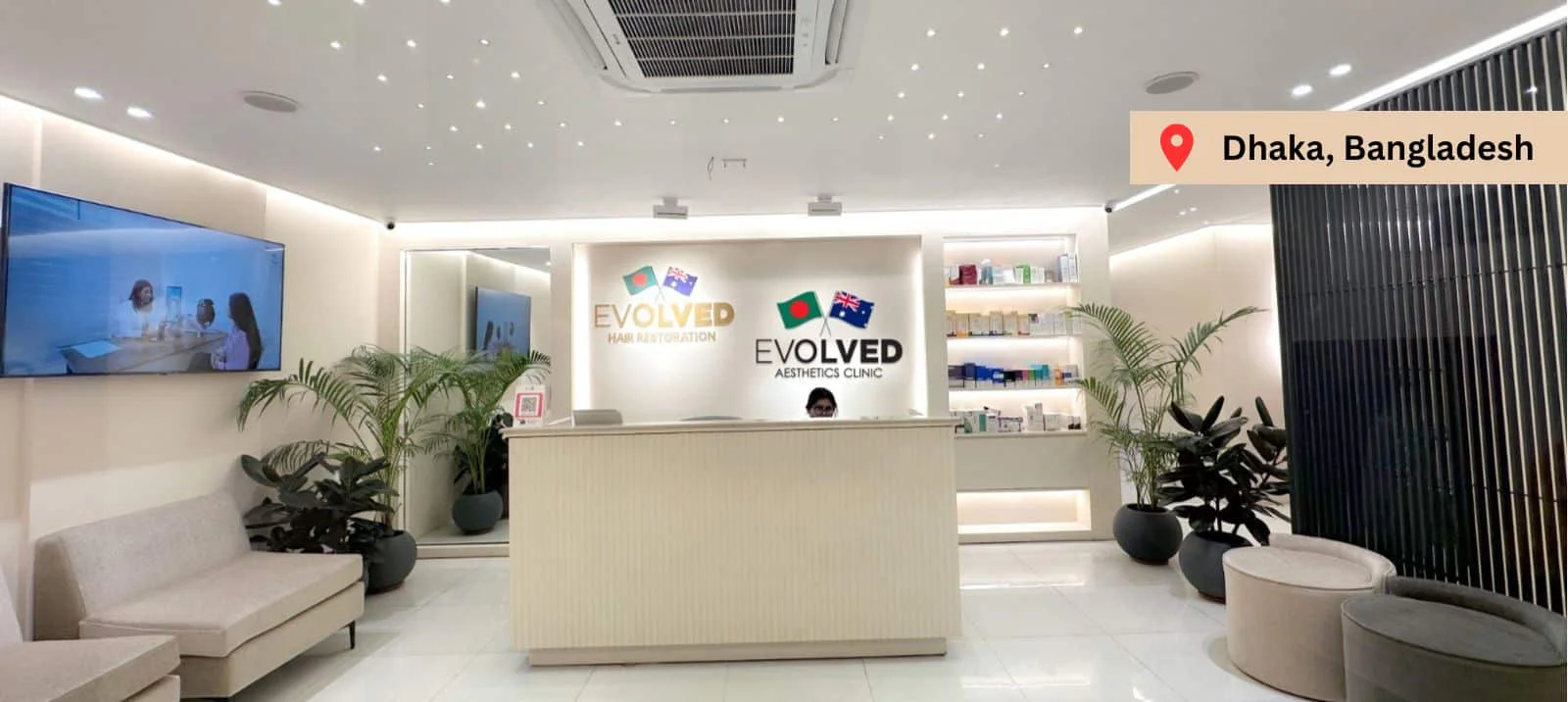
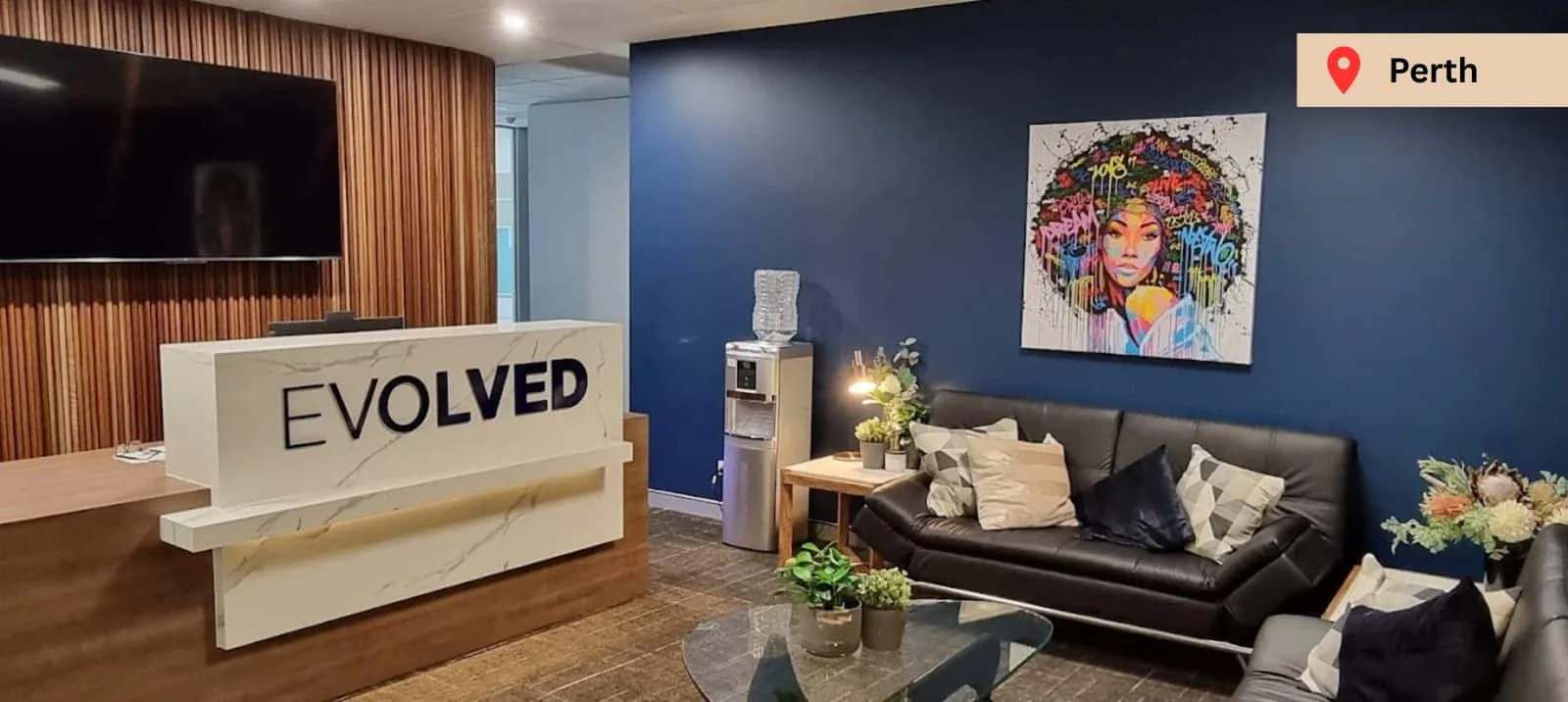
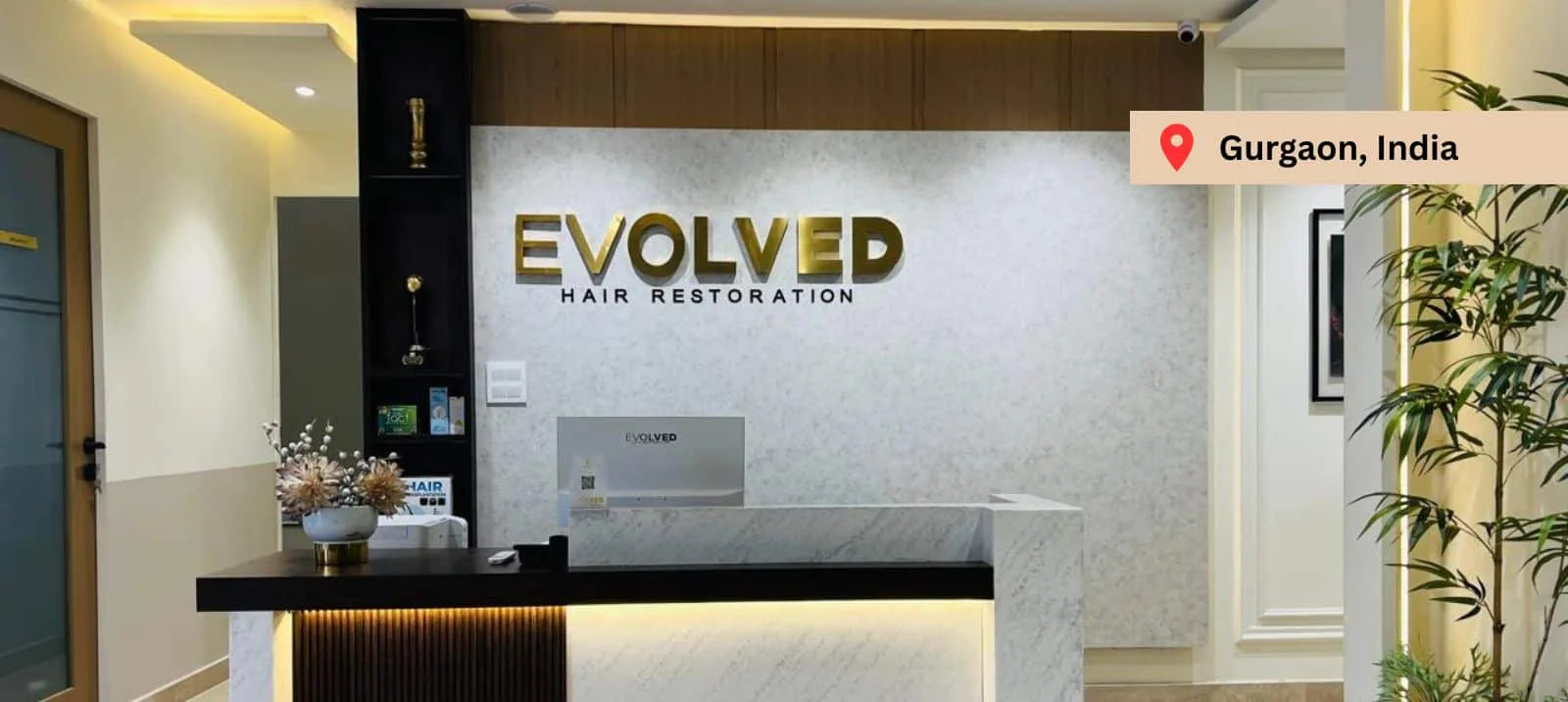
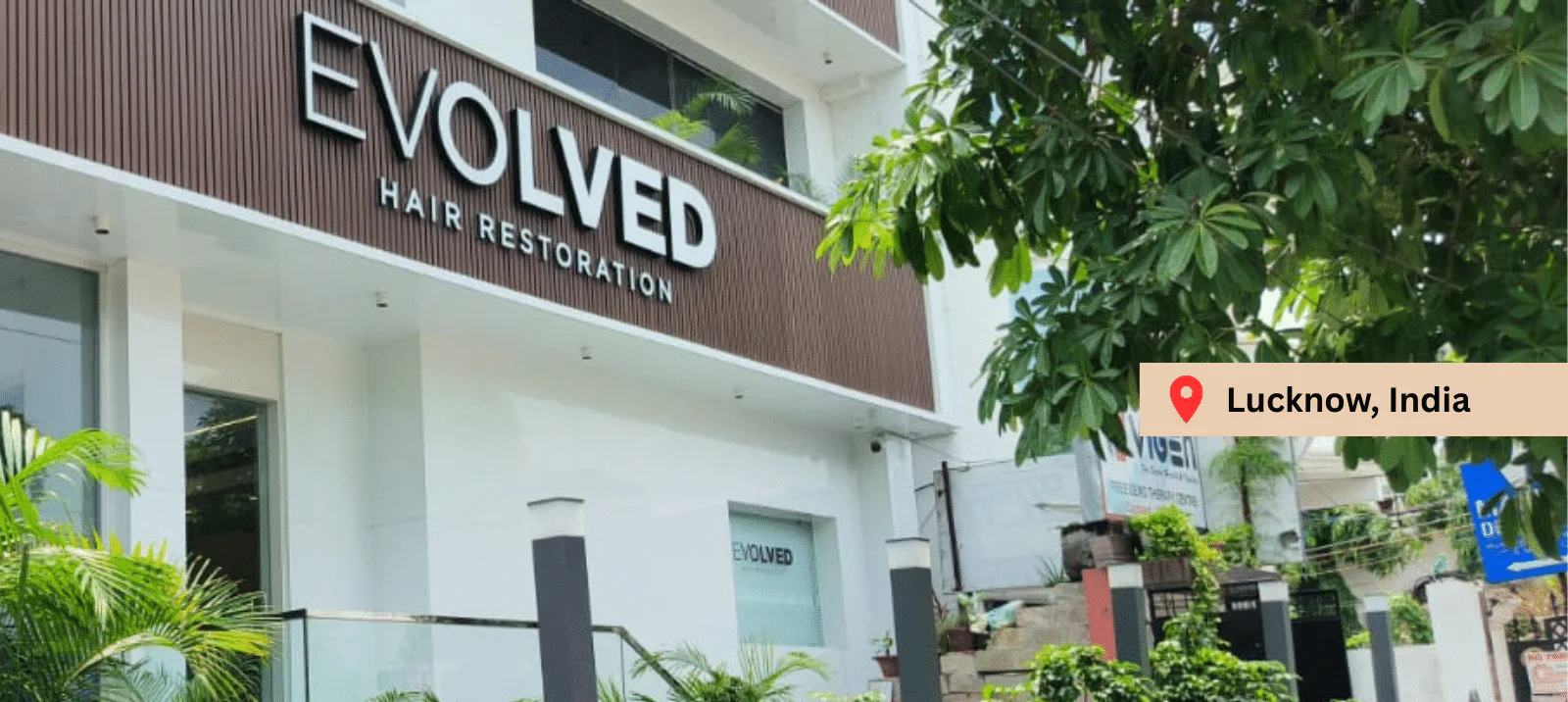
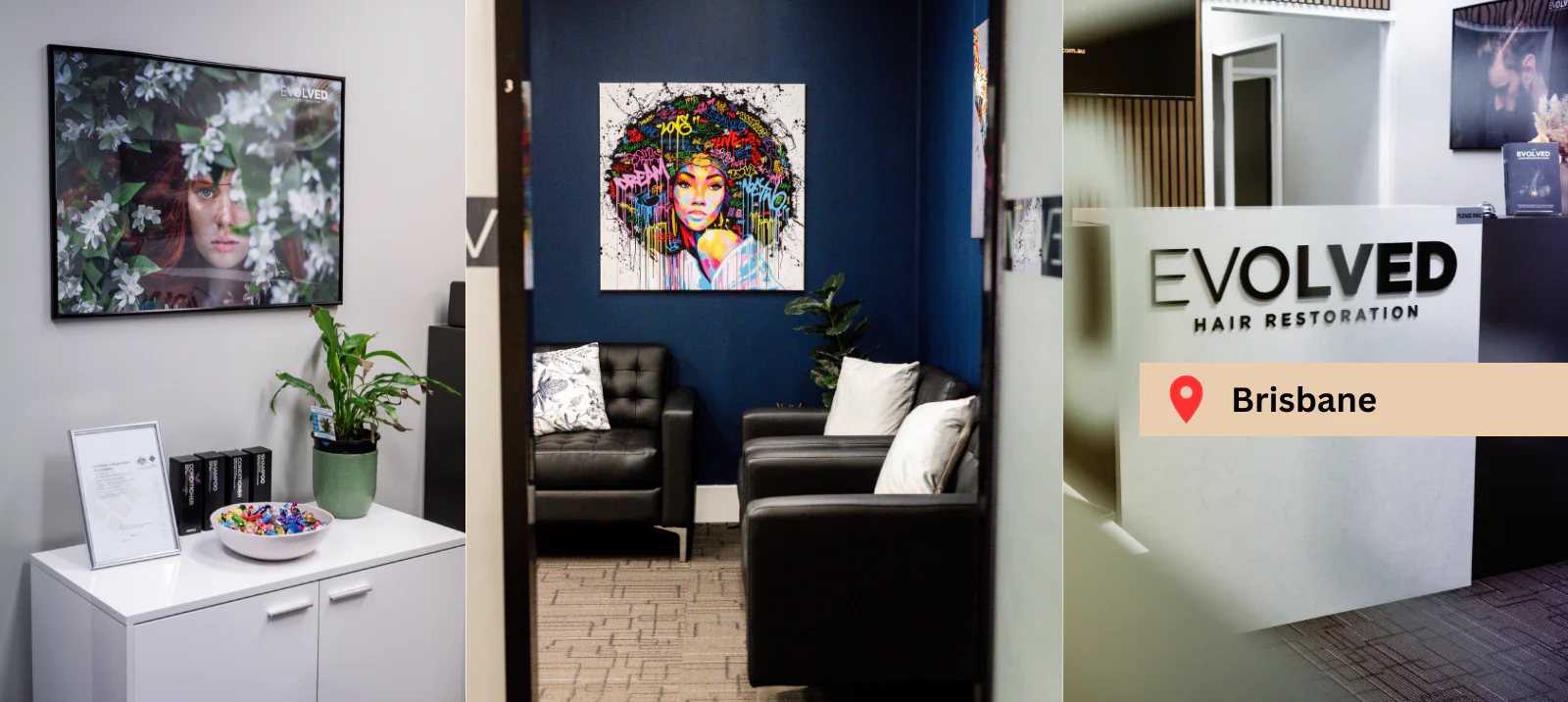
At Evolved Hair India, priority is given to the skills of our doctors and quality of treatment in our clinics. Each procedure is performed entirely from start to finish by experienced, qualified trained medical doctors (not assistants or technicians) to ensure that patients are always safe in their hands. Our direct technique is the most advanced in the world and provides the most natural results. The clinic infrastructure is high-tech, with rigid Australian standards of safety, and use the most sterile conditions to provide a comfortable and safe experience for all patients. It is this dedication to excellence in both clinical care and medical expertise that makes Evolved Hair India the go-to name in hair restoration.
Our Clinics
Our Doctors
Have Queries? - Get in Touch
Book Appointment
Our Blogs
Views on latest research, innovation technologies and best practices