






Sapphire FUE Hair Transplant in Gurgaon

Most Trusted Hair Transplant Clinic in India
Hairs Restored Globally
Hairs Restored Globally
There’s a reason we’re setting the standard in hair restoration across Australia, India, and Latin America
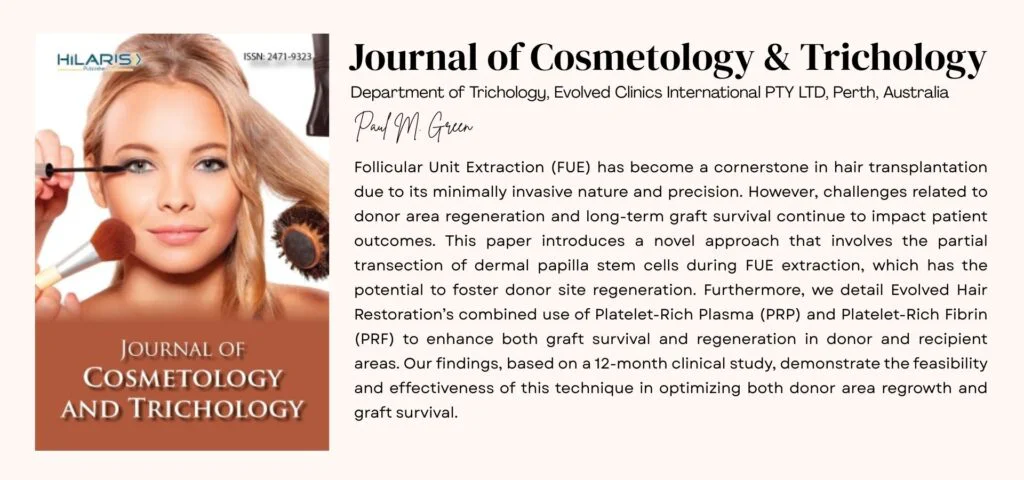
At Evolved, we take pride in our clinics spanning across 3 continents (India, Australia and Latin America) led by our Medical Director, Dr Ajay Dubey, with over 20 years of hair transplant experience and an International Trichologist, Paul Green, with more than 30 years of experience in advising on hair and scalp issues — we’re committed to excellence in every hair we regrow.
Unlike many other clinics in Lucknow, every procedure at Evolved is exclusively led and performed by qualified doctors, following Australian safety protocols and NMC (National Medical Council) guidelines.
We’re more than just a clinic – we are a global leader in hair restoration. Join the thousands who have trusted us to live a fuller, more confident life.
Technique
FUT vs FUE vs Direct (Advanced Implanter Technique)
| Area | Parameter | FUT Technique | FUE Technique | Evolved’s Direct Technique |
|---|---|---|---|---|
| Extraction | Method | Surgical strip removal | Grafts removed via reusable punches | Grafts removed via single-use, imported micro-punches |
| Invasiveness and Level of Pain | Highly painful – cutting & sutures | Moderate pain | Pain-free | |
| Who Performs Extraction? | Technicians / Nurses | Technicians / Nurses | Only qualified Doctor | |
| Scarring | Linear scar | Dot-like scars | Undetectable scars | |
| Graft Preservation | Graft Exposure Time and Survival | <60% | 70–80% | ~100% |
| Implantation | Method | 2 steps slit method | 2 steps slit method | 1 step with Choi implanter |
| Who Inserts the Follicles? | Technicians / Nurses | Technicians / Nurses | Only qualified Doctors | |
| Angle, Depth, Direction Control | No control due to technician involvement | No control due to technician involvement | 100% Doctor-led precise control | |
| Recovery Time | ~2 months | ~2 weeks | ~2 days |
Technique
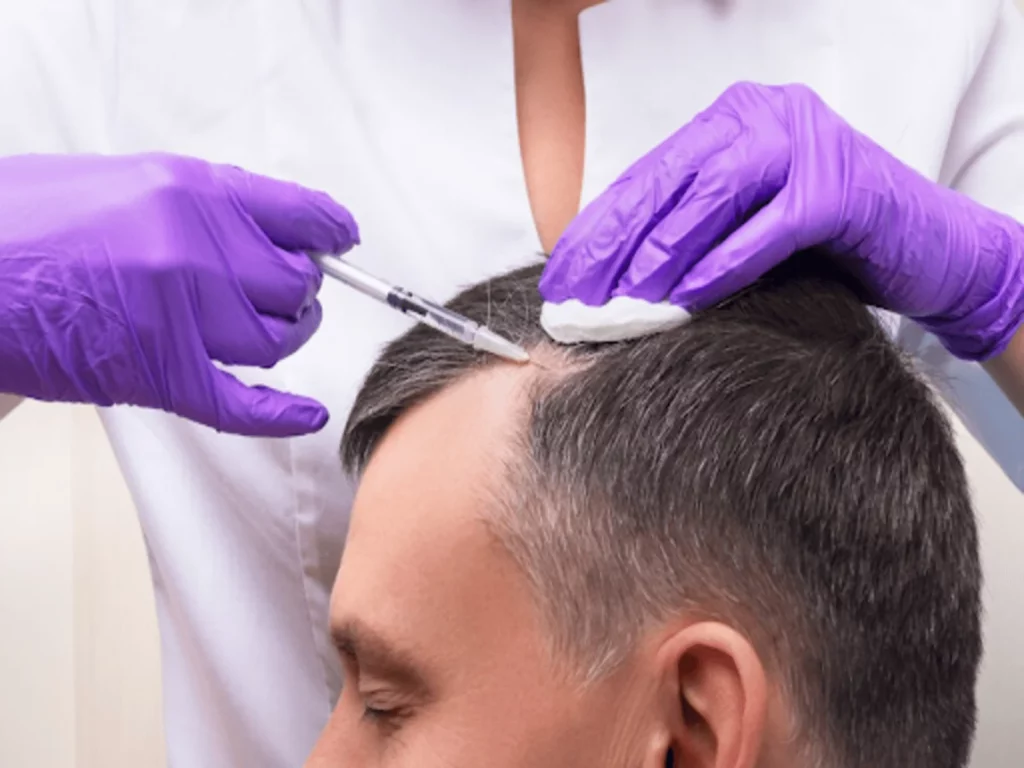
Sapphire FUE Hair Transplant in Gurgaon: Why the Blade Technology Actually Matters
Ask ten clinics in Gurgaon what makes their FUE procedure different, and most will mention experience, technology, or aftercare. Fewer will explain one detail that quietly affects your final results: the actual blade used to create the recipient sites where grafts are placed. Sapphire FUE has become a common term in hair transplant conversations, but most patients researching it never get a clear answer on what it changes and whether it’s worth asking about before booking a consultation.
What Sapphire FUE Actually Means
Sapphire FUE refers to the use of blades made from sapphire crystal instead of standard surgical steel to create the tiny incisions where hair grafts are implanted. The technique itself, Follicular Unit Extraction, remains the same. What changes is the precision and quality of the incision, since sapphire blades hold a sharper, more consistent edge than steel and tend to create smaller, cleaner openings in the scalp.
How This Differs From Standard Steel Blade FUE
Steel blades, while effective and widely used, can dull slightly during a long procedure involving thousands of incisions. This can lead to minor inconsistency in incision size as the session progresses. Sapphire blades maintain their edge more consistently throughout the procedure, which surgeons say can support tighter graft placement and potentially reduce tissue trauma around each site.
Does Sapphire FUE Improve Healing and Results
This is where expectations need to stay realistic. Sapphire blades are associated with smaller, more precise incisions, which some surgeons believe can support faster surface healing and reduced scabbing in the days following the procedure. However, outcomes still depend heavily on graft handling, the surgeon’s technique, donor area quality, and how well the patient follows aftercare instructions. No blade technology on its own guarantees a specific result, and any clinic suggesting otherwise is overstating what the tool can do.
Who Tends to Benefit Most From This Technique
Patients with tighter scalp skin, those requiring high-density placement in visible areas like the frontal hairline, and patients with naturally curly hair, where incision angle control matters more, often see the most practical benefit from sapphire blade precision. For broader, lower-density areas, the difference between sapphire and steel becomes less clinically significant.
How the Procedure Is Performed Step by Step
- Scalp assessment and donor area evaluation during consultation
- Local anaesthesia applied to both donor and recipient areas
- Follicular units extracted individually from the donor zone
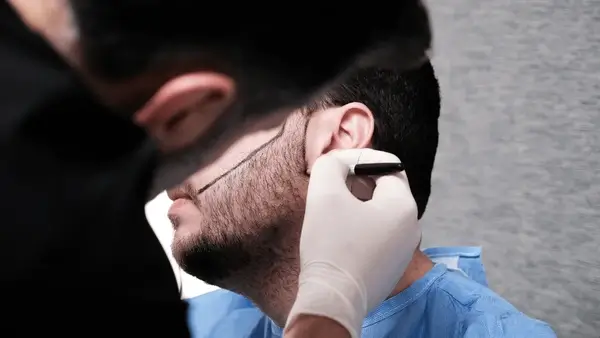
- Recipient sites created using the sapphire blade at a predetermined angle and depth
- Grafts implanted one by one into the newly created sites
- Aftercare instructions provided covering the first week of healing
Each of these steps requires precise coordination, which is why consistency in who performs the procedure matters just as much as the blade being used.
Why the Person Holding the Blade Matters More Than the Blade Itself
Sapphire technology is only as good as the hands using it. A sapphire blade in the hands of a technician working quickly through a large session behaves very differently than the same blade used by an experienced doctor working with full attention to incision angle and depth. At Evolved Hair India, procedures are performed by the doctor directly, from extraction through graft placement, without handing off steps to nursing staff using a choi implanter, considered more advanced as compared to a sapphire blade itself. This consistency is part of why the clinic’s approach is often compared favourably to technician-assisted models, since the same person controls incision precision throughout the entire session rather than switching between staff members partway through.
What This Means for Complex or Repair Cases
Precision tools become even more relevant in complicated cases, such as when a patient is correcting the results of a poorly performed procedure elsewhere. A repair hair transplant often involves working around scar tissue, unnatural graft angles, or overharvested donor zones, situations where incision control genuinely matters more than in a straightforward first-time procedure. This is one context where sapphire blade precision, combined with doctor-led execution, tends to make a measurable difference.
Setting Realistic Expectations Before You Book
Before choosing a clinic based on sapphire FUE alone, it helps to ask what specifically the technology changes for your case, whether the entire procedure is doctor-performed, and what your donor area assessment shows. Male hair loss patterns, in particular, benefit from this level of scrutiny since hairline design and crown density both depend on more than just the blade type. If you’re exploring a male hair transplant, ask your consulting doctor directly whether sapphire blades will be used for your specific procedure and why.
Blade technology is one piece of a much larger picture. A sapphire blade paired with careful, doctor-led execution can support cleaner incisions and a smoother healing process, but the real decision should rest on the surgeon’s experience and your own scalp assessment, not the name of the tool alone.
Frequently Asked Questions
1. Is sapphire FUE more expensive than standard FUE?
Often yes, since sapphire blades are a premium instrument and the procedure typically involves more meticulous technique, though pricing varies by clinic and case complexity.
2. Does sapphire FUE guarantee better hair growth results?
No single tool guarantees results. Outcomes depend on graft handling, donor quality, surgeon skill, and aftercare, with the blade being one contributing factor among several.
3. Is sapphire FUE painful compared to standard FUE?
Both techniques use local anaesthesia and involve similar comfort levels during the procedure, with sapphire blades not significantly changing the pain experience.
4. How long does a sapphire FUE procedure take?
Procedure time depends on the number of grafts needed, typically ranging from four to eight hours for most cases, similar to standard FUE timelines.
5. Can sapphire FUE be used for both hairline and crown restoration?
Yes, it can be used across different areas of the scalp, though its precision benefits are often most noticeable in visible, high-density zones like the hairline.
6. Should I specifically ask for sapphire blades during my consultation?
It’s reasonable to ask, but the more important question is who will be performing your procedure and how experienced they are with the technique, since execution matters more than the instrument alone. Apart from this, a choi implanter is considered superior to sapphire blade.
Common Reasons for Hair Loss in Gurgaon
High Pollution Levels
Hard Water Supply
Stress & Busy Lifestyle
Nutritional Deficiencies
Genetic Hair Loss
Hormonal Imbalances
Scalp Conditions & Medical Treatments
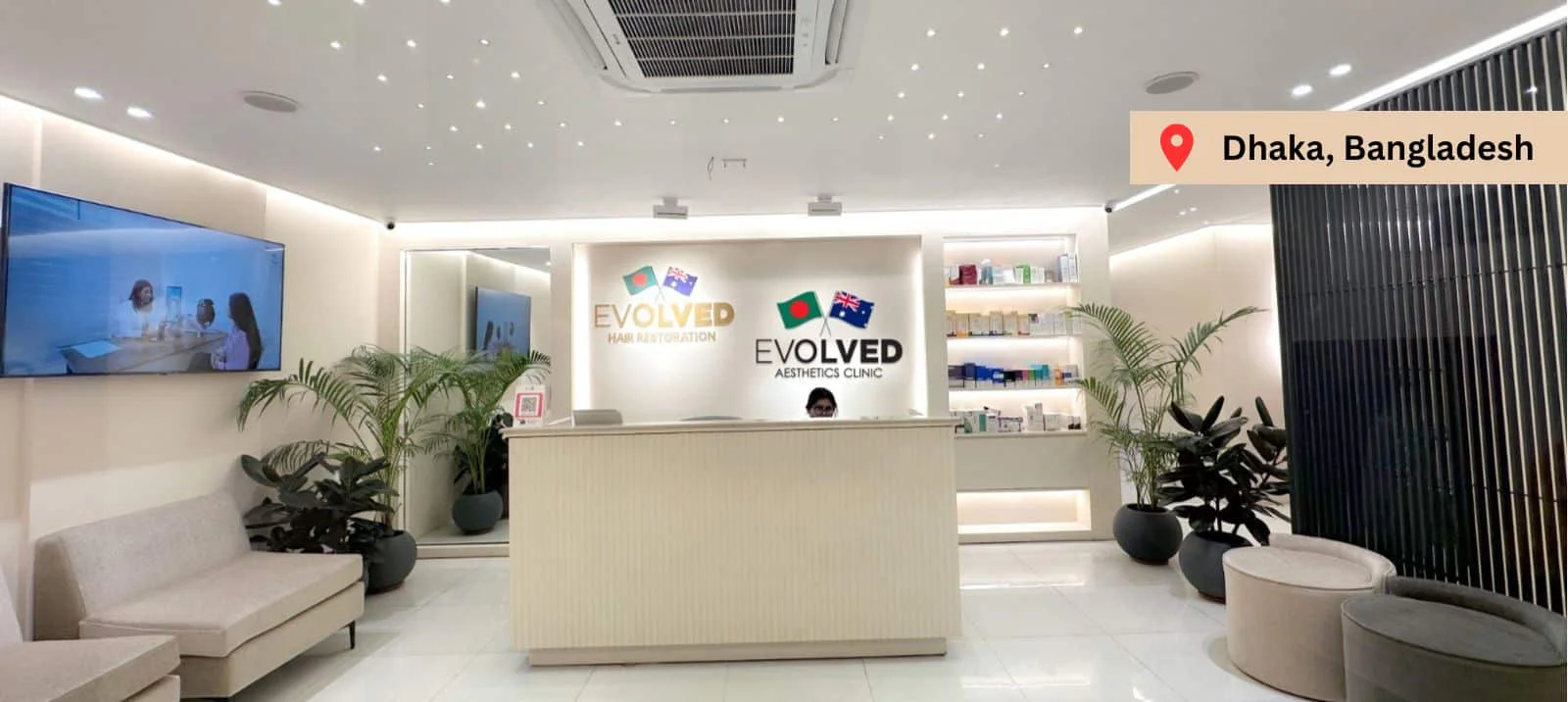
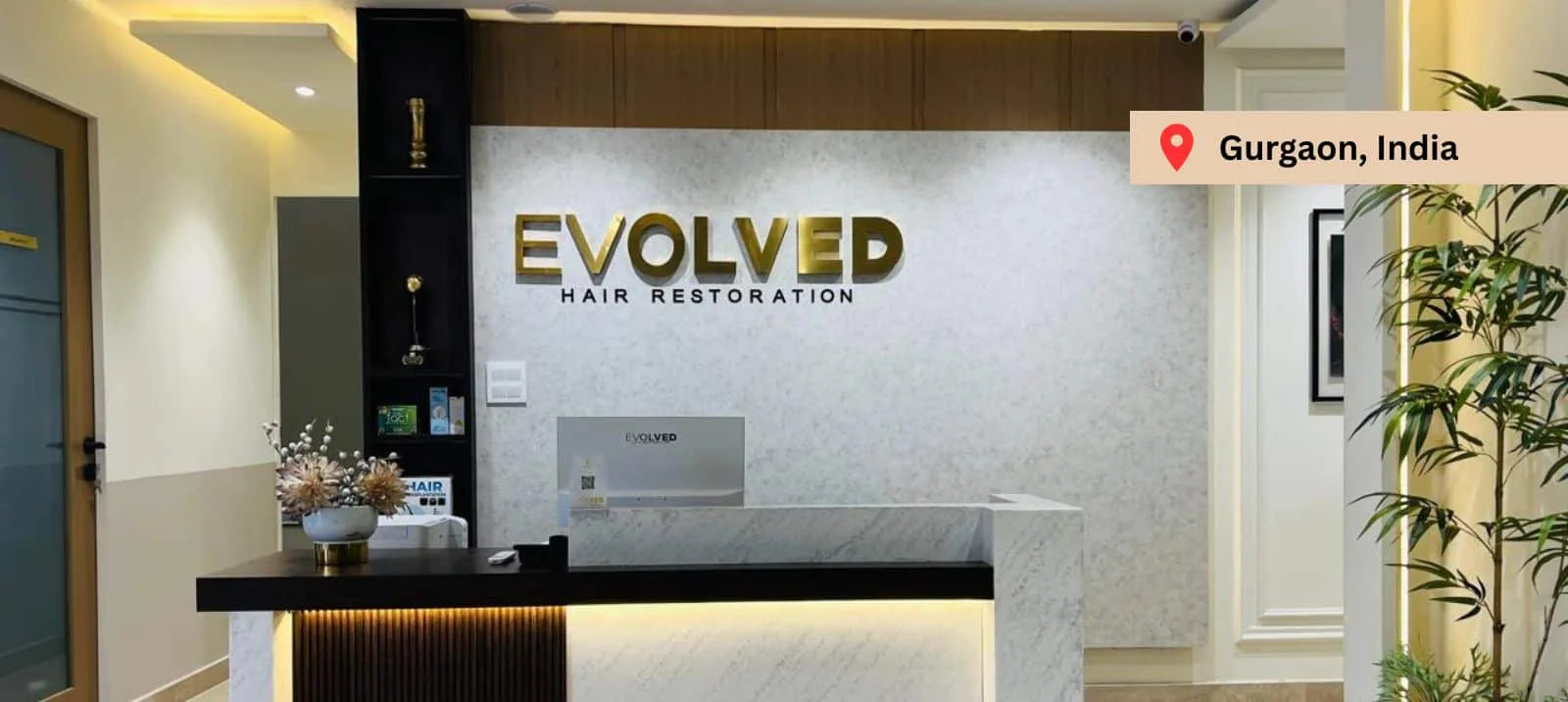
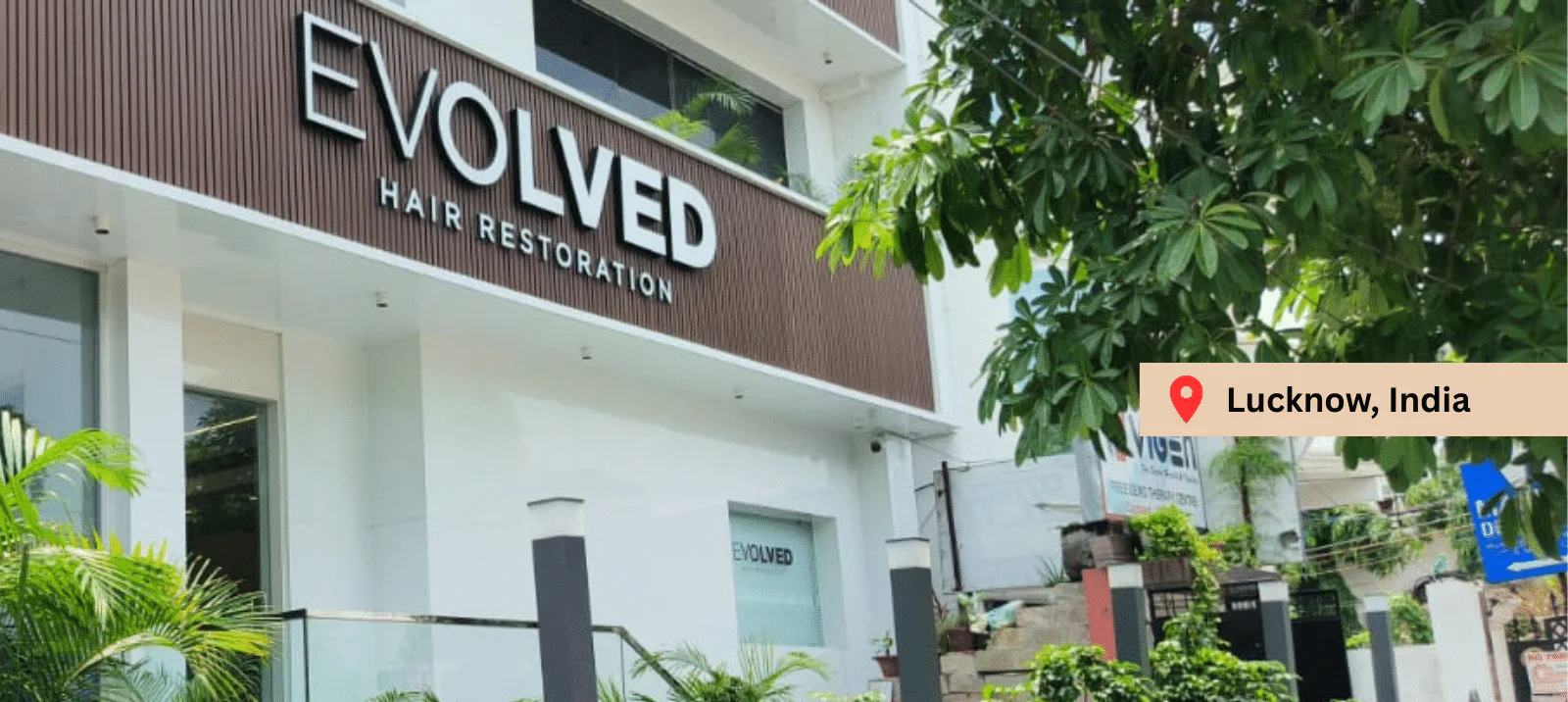
Meet Our Clinics and Hair Loss Experts
At Evolved Hair India, priority is given to the skills of our doctors and quality of treatment in our clinics. Each procedure is performed entirely from start to finish by experienced, qualified trained medical doctors (not assistants or technicians) to ensure that patients are always safe in their hands. Our direct technique is the most advanced in the world and provides the most natural results. The clinic infrastructure is high-tech, with rigid Australian standards of safety, and use the most sterile conditions to provide a comfortable and safe experience for all patients. It is this dedication to excellence in both clinical care and medical expertise that makes Evolved Hair India the go-to name in hair restoration.
Our Clinics


Our Doctors
Have Queries? - Get in Touch
Book Appointment
Our Blogs
Views on latest research, innovation technologies and best practices