






Repair Hair Transplant in Gurgaon

Most Trusted Hair Transplant Clinic in India
Hairs Restored Globally
Hairs Restored Globally
There’s a reason we’re setting the standard in hair restoration across Australia, India, and Latin America
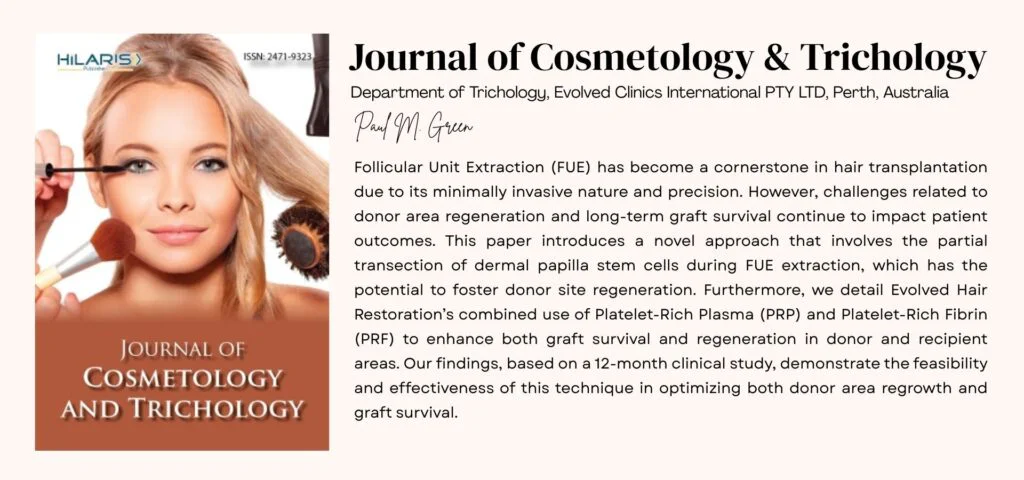
At Evolved, we take pride in our clinics spanning across 3 continents (India, Australia and Latin America) led by our Medical Director, Dr Ajay Dubey, with over 20 years of hair transplant experience and an International Trichologist, Paul Green, with more than 30 years of experience in advising on hair and scalp issues — we’re committed to excellence in every hair we regrow.
Unlike many other clinics in Lucknow, every procedure at Evolved is exclusively led and performed by qualified doctors, following Australian safety protocols and NMC (National Medical Council) guidelines.
We’re more than just a clinic – we are a global leader in hair restoration. Join the thousands who have trusted us to live a fuller, more confident life.
Technique
FUT vs FUE vs Direct (Advanced Implanter Technique)
| Area | Parameter | FUT Technique | FUE Technique | Evolved’s Direct Technique |
|---|---|---|---|---|
| Extraction | Method | Surgical strip removal | Grafts removed via reusable punches | Grafts removed via single-use, imported micro-punches |
| Invasiveness and Level of Pain | Highly painful – cutting & sutures | Moderate pain | Pain-free | |
| Who Performs Extraction? | Technicians / Nurses | Technicians / Nurses | Only qualified Doctor | |
| Scarring | Linear scar | Dot-like scars | Undetectable scars | |
| Graft Preservation | Graft Exposure Time and Survival | <60% | 70–80% | ~100% |
| Implantation | Method | 2 steps slit method | 2 steps slit method | 1 step with Choi implanter |
| Who Inserts the Follicles? | Technicians / Nurses | Technicians / Nurses | Only qualified Doctors | |
| Angle, Depth, Direction Control | No control due to technician involvement | No control due to technician involvement | 100% Doctor-led precise control | |
| Recovery Time | ~2 months | ~2 weeks | ~2 days |
Technique
Repair Hair Transplant in Gurgaon: A Second Chance When the First Procedure Went Wrong
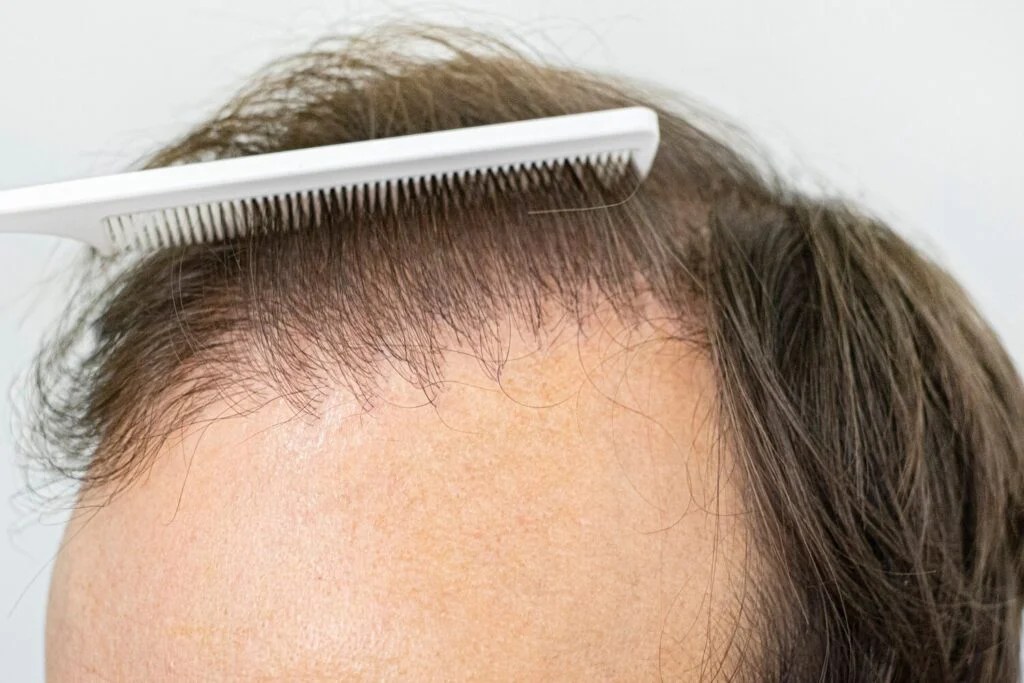
Not every hair transplant story has a happy first chapter. Some people leave their initial procedure with an unnatural hairline, visible scarring, poor density, or grafts placed at wrong angles that catch the light unnaturally. If that’s you, this piece is written specifically for your situation. A hair repair transplant in Gurgaon offers a genuine second chance, but it’s a more demanding procedure than the first one ever was, and understanding why is the key to getting it right this time.
Why First Procedures Sometimes Fail
Before looking at repair, it helps to understand what commonly goes wrong the first time:
- An unnatural hairline: Placed too low, too straight, or without the subtle irregularity a natural hairline has
- Wrong graft angles: Hairs growing in directions that don’t match natural growth
- Pluggy or clustered grafts: Multiple hairs bunched together instead of fine single-hair transitions
- Visible scarring: From over-harvesting or poorly managed donor areas
- Poor density or survival: Grafts that didn’t take well, leaving patchy results
Many of these trace back to a single root cause: insufficient direct surgeon involvement in the critical steps of the original procedure.
Why Repair Is Harder Than the Original
This is the most important thing to understand before a repair procedure. Correcting a previous transplant is genuinely more demanding than a first-time surgery, for several reasons:
- Donor supply may already be depleted from the first procedure, limiting available grafts
- Existing misplaced grafts complicate the design and sometimes need removal or redistribution
- Scar tissue behaves differently from healthy scalp, affecting how well new grafts survive
- The margin for error is smaller, since the goal is to improve an already-compromised area without making it worse
Because of this, repair work is a specialised discipline, not a routine procedure. It demands the highest level of surgical judgement.
Why Doctor-Led Repair Matters Even More
If direct surgeon involvement matters in a first procedure, it matters even more in a repair. There’s simply less room for anything to go wrong a second time.
At Evolved Hair, the entire procedure is performed end-to-end by the doctor, with no nurses involved in any stage of the surgery, and the clinic specialises in repair hair transplantation. The guiding principle applies with particular force in repair cases: the best result isn’t determined just by the branded name of a technique, it’s determined by who performs the critical steps, how carefully grafts are handled, and how naturally the correction is planned.
What a Repair Procedure Actually Involves
Repair isn’t one fixed procedure. Depending on what went wrong, it may combine several approaches:
- Graft redistribution or removal: Poorly placed or pluggy grafts may be removed or repositioned.
- Adding refined grafts: Fine, single-hair grafts placed at the leading edge to create the natural transition the original lacked.
- Redesigning the hairline: Reworking the shape and position to something age-appropriate and natural, with deliberate irregularity.
- Angle correction: Placing new grafts at natural angles to blend with and disguise misdirected existing hair.
- Scar camouflage: Grafting into or around scarred areas to break up their visibility, where donor supply allows.
The Techniques Used in Repair
A repair specialist selects the right approach based on your specific situation:
- FUE (Follicular Unit Extraction): Individual follicle extraction, useful for adding grafts with minimal additional scarring
- Direct Hair Transplantation: Also called the Direct Technique or Modified FUE, where precise angle and depth control helps new grafts integrate naturally with existing hair using a specialised choi implanter.
The Assessment That Comes First
A repair procedure should never begin without a thorough assessment. At Evolved Hair, this is performed directly by the doctor, evaluating:
- The specific errors present in the previous procedure
- Your remaining donor area capacity
- Whether existing grafts need removal, redistribution, or supplementing
- A realistic account of how much improvement is genuinely achievable
Honest expectation-setting is central here. Repair usually aims for substantial improvement, not perfection, and any clinic promising a flawless erasure of previous work should be treated with caution.
Supporting a Repair Non-Surgically
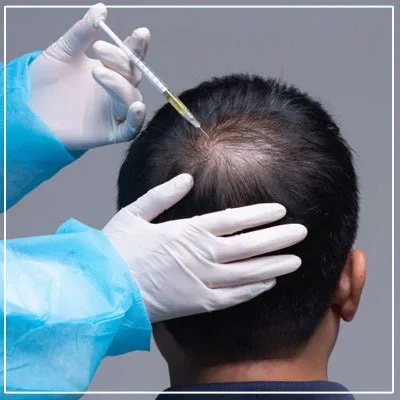
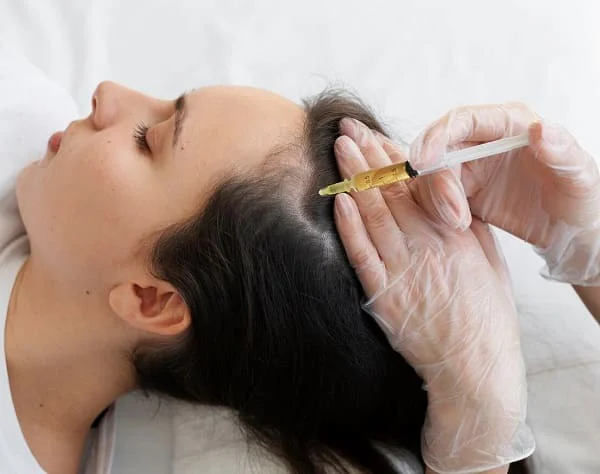
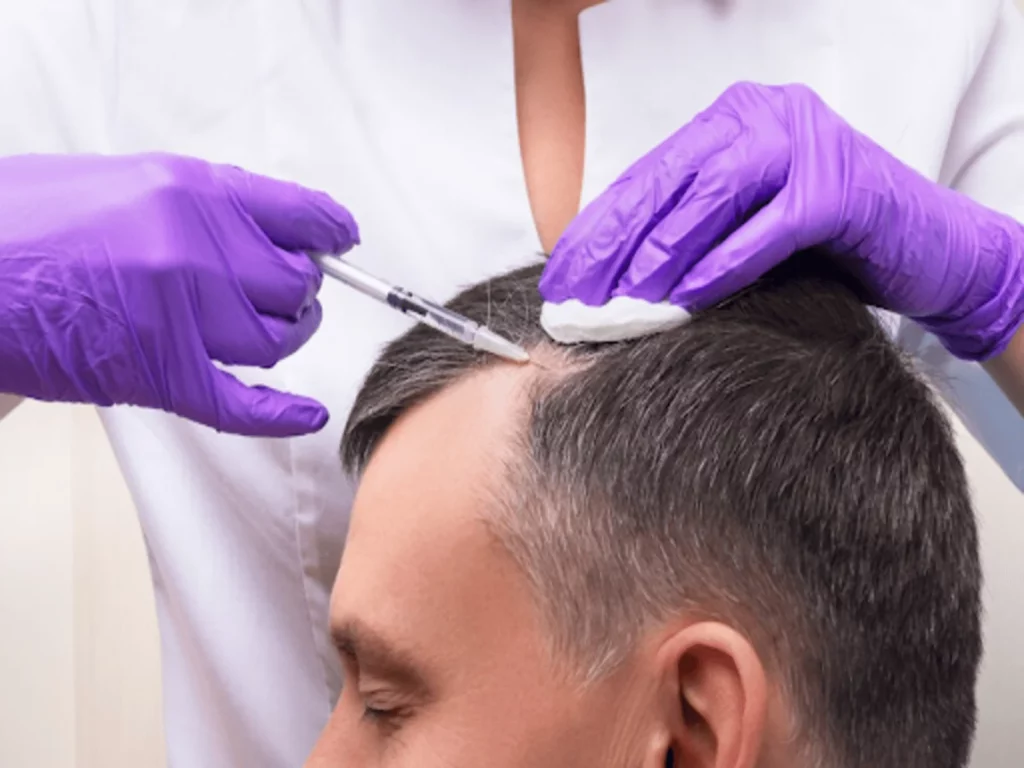
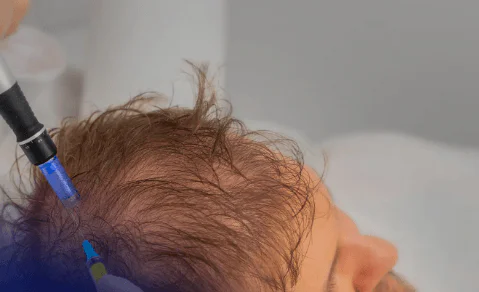
In some cases, regenerative treatments may support scalp and follicle health around a corrected area, though they don’t fix design errors themselves. Depending on your case, a clinic might discuss PRP, using your own concentrated platelets, or QR678, an injectable growth factor treatment detailed on our QR678 page. Whether these have a role is decided during examination.
A Note for Women Seeking Repair
Women who’ve had an unsatisfactory previous procedure need repair planning built around female hair loss patterns, which are usually diffuse rather than a receding hairline. Our female hair transplant page explains how this shapes the corrective approach. For a benchmark on structured male pattern planning, our male hair transplant page is a useful reference.
Setting Realistic Expectations
Repair usually delivers meaningful improvement: a more natural, better-integrated result. But the extent depends on your remaining donor supply and the nature of the original errors. Some corrections are dramatic; others are constrained by limited donor reserves. An honest clinic tells you which category your case falls into rather than promising the impossible. Outcomes vary, and no ethical clinic guarantees perfection.
The Bottom Line
A hair transplant repair in Gurgaon is a genuine second chance, but it’s specialised work with a smaller margin for error than the original procedure. Success depends on a thorough assessment, careful correction of the specific errors, and above all, a doctor-led approach with honest expectations. If your first procedure left you disappointed, the right repair, planned properly, can give you the natural result you were hoping for the first time around.
Frequently Asked Questions
Can a bad hair transplant be corrected?
Often yes, through repair hair transplantation, though the extent depends on donor supply and the original errors.
Why is repair harder than the first procedure?
Donor supply may be depleted, existing grafts complicate the design, and the margin for error is smaller.
What can repair fix?
Unnatural hairlines, wrong angles, pluggy grafts, and, where possible, scarring from previous procedures.
Will I need more donor hair for repair?
Often yes, which is why remaining donor capacity is carefully assessed beforehand.
Are repair results guaranteed?
No, repair usually delivers meaningful improvement rather than perfection, and outcomes vary.
Why does doctor-led matter more in repair?
Because repair has the smallest margin for error, direct surgical involvement matters even more.
Common Reasons for Hair Loss in Lucknow
High Pollution Levels
Hard Water Supply
Stress & Busy Lifestyle
Nutritional Deficiencies
Genetic Hair Loss
Hormonal Imbalances
Scalp Conditions & Medical Treatments
Meet Our Clinics and Hair Loss Experts
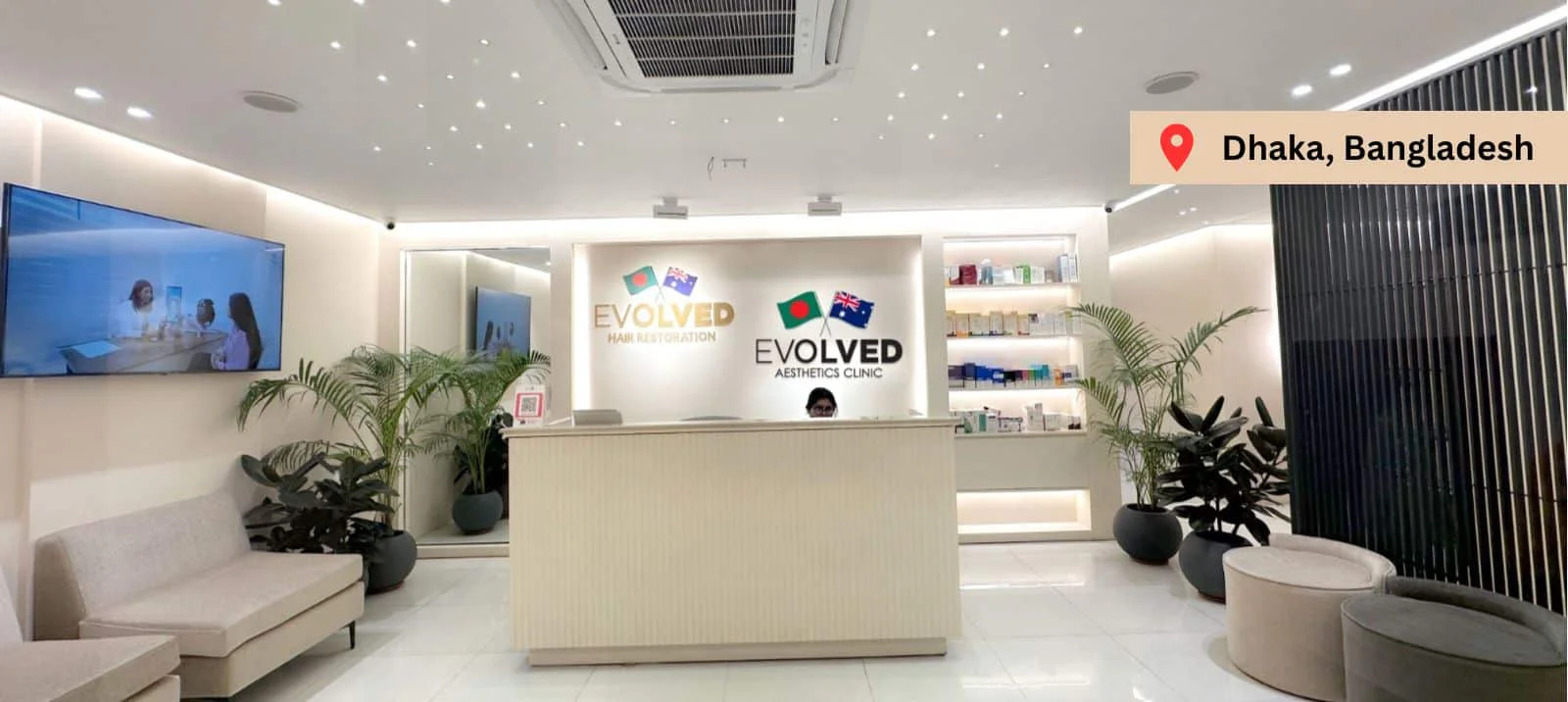
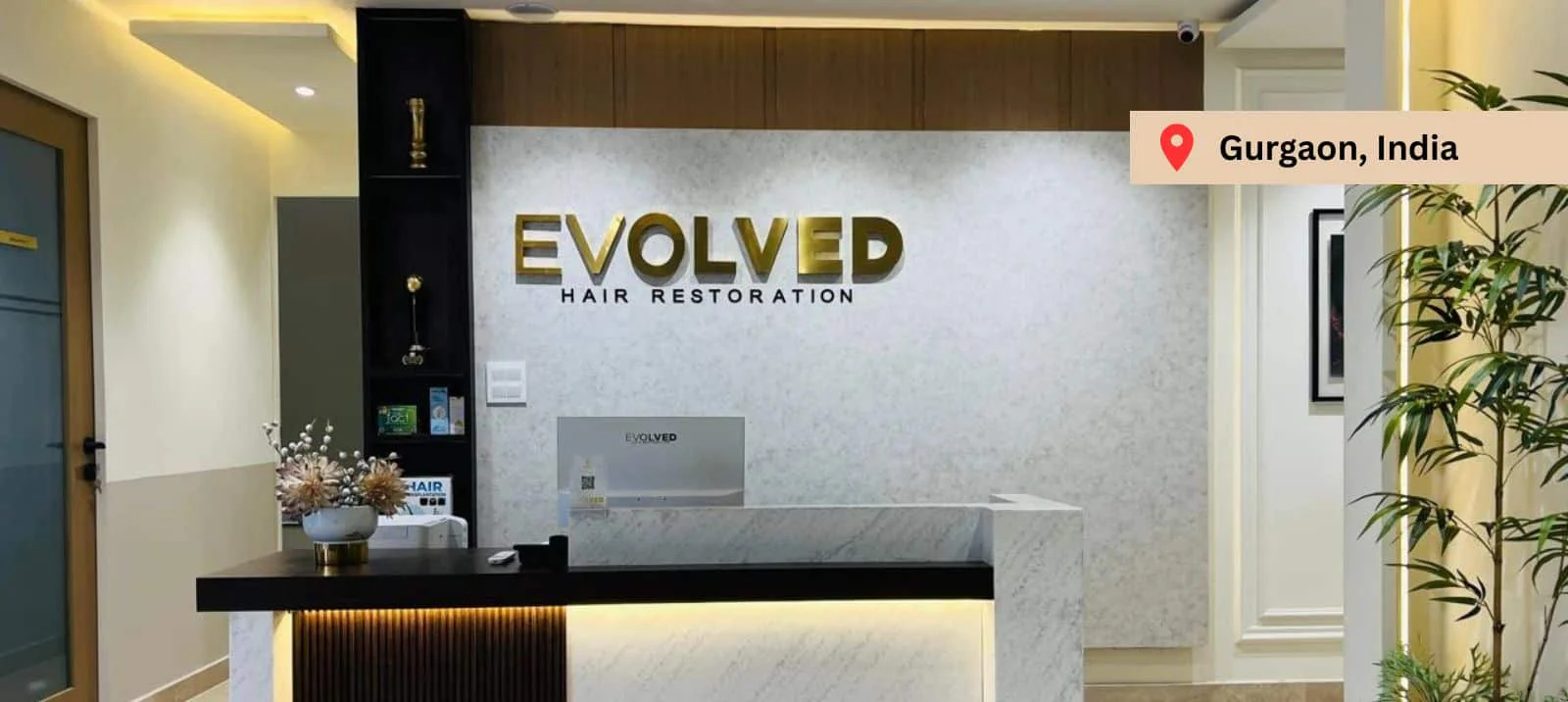
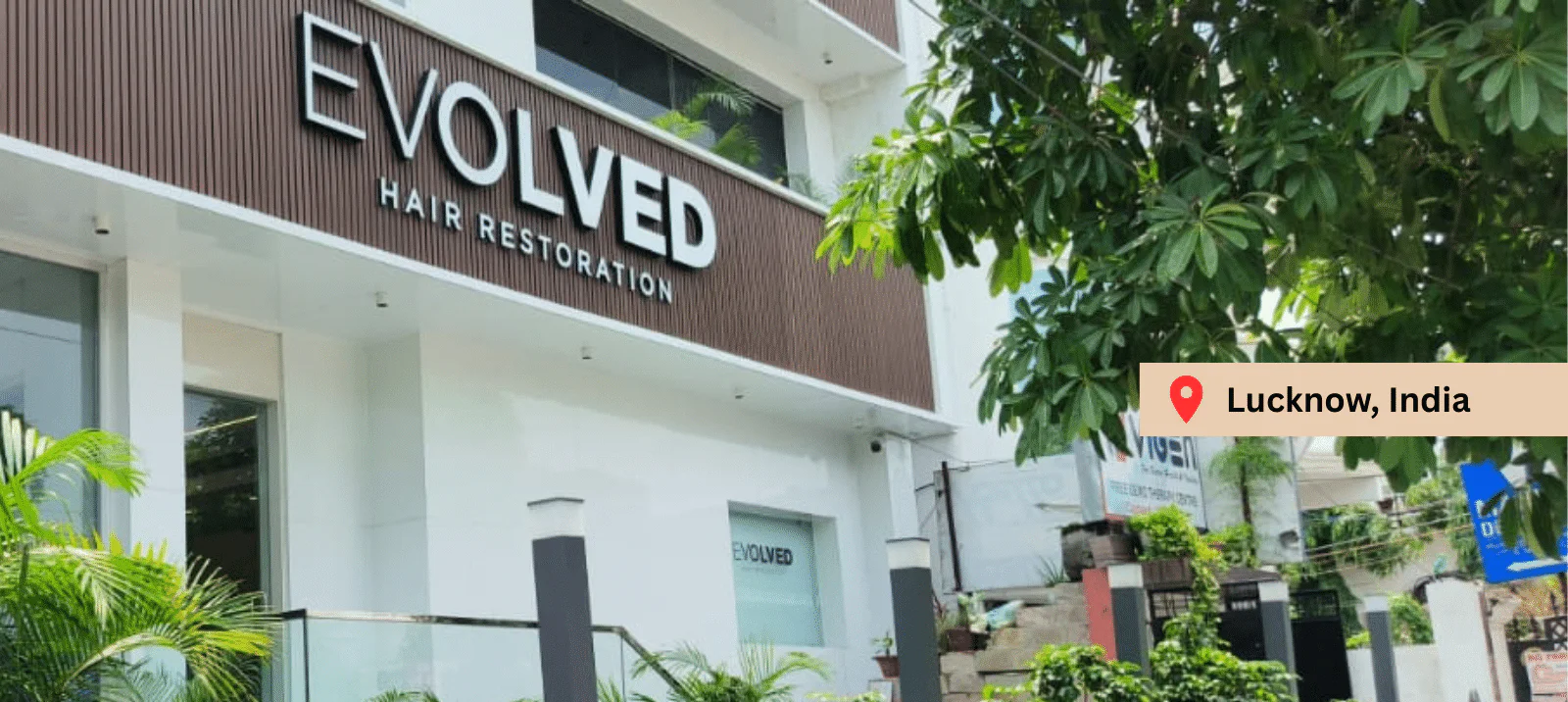
At Evolved Hair India, priority is given to the skills of our doctors and quality of treatment in our clinics. Each procedure is performed entirely from start to finish by experienced, qualified trained medical doctors (not assistants or technicians) to ensure that patients are always safe in their hands. Our direct technique is the most advanced in the world and provides the most natural results. The clinic infrastructure is high-tech, with rigid Australian standards of safety, and use the most sterile conditions to provide a comfortable and safe experience for all patients. It is this dedication to excellence in both clinical care and medical expertise that makes Evolved Hair India the go-to name in hair restoration.
Our Clinics


Our Doctors
Have Queries? - Get in Touch
Book Appointment
Our Blogs
Views on latest research, innovation technologies and best practices