
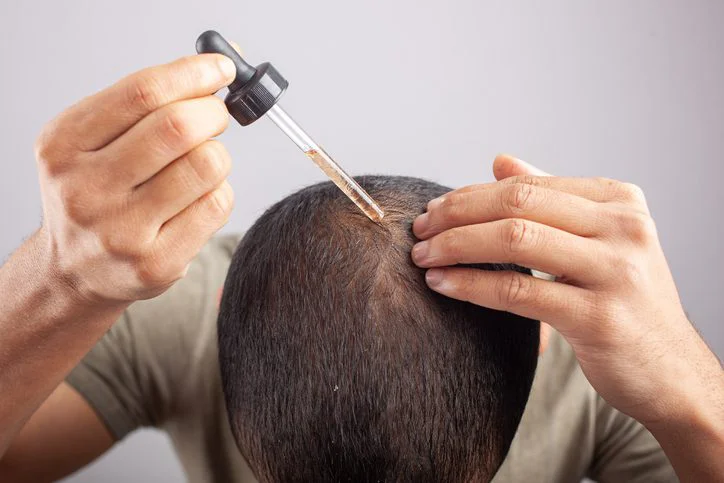






Low-Level Laser Therapy for Hair in Gurgaon

Most Trusted Hair Transplant Clinic in India
Hairs Restored Globally
Hairs Restored Globally
There’s a reason we’re setting the standard in hair restoration across Australia, India, and Latin America
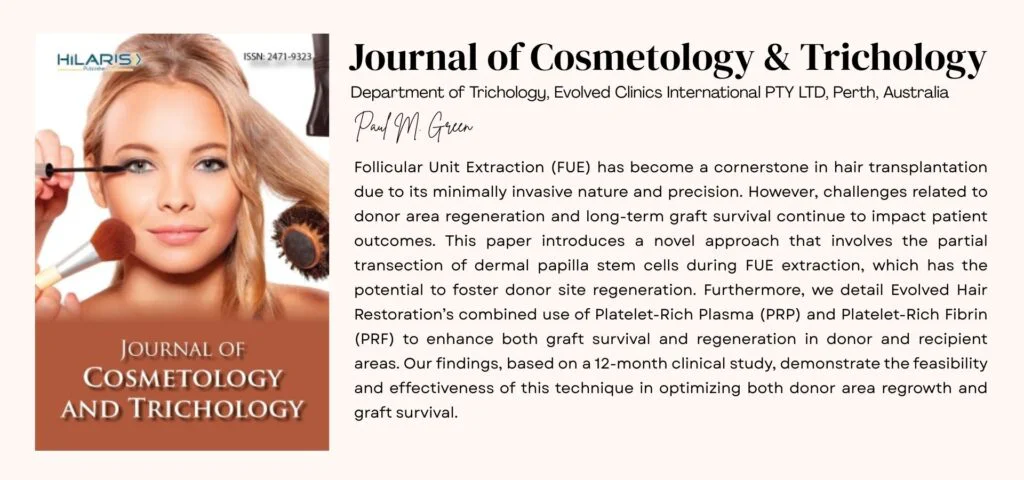
At Evolved, we take pride in our clinics spanning across 3 continents (India, Australia and Latin America) led by our Medical Director, Dr Ajay Dubey, with over 20 years of hair transplant experience and an International Trichologist, Paul Green, with more than 30 years of experience in advising on hair and scalp issues — we’re committed to excellence in every hair we regrow.
Unlike many other clinics in Lucknow, every procedure at Evolved is exclusively led and performed by qualified doctors, following Australian safety protocols and NMC (National Medical Council) guidelines.
We’re more than just a clinic – we are a global leader in hair restoration. Join the thousands who have trusted us to live a fuller, more confident life.
Technique
FUT vs FUE vs Direct (Advanced Implanter Technique)
| Area | Parameter | FUT Technique | FUE Technique | Evolved’s Direct Technique |
|---|---|---|---|---|
| Extraction | Method | Surgical strip removal | Grafts removed via reusable punches | Grafts removed via single-use, imported micro-punches |
| Invasiveness and Level of Pain | Highly painful – cutting & sutures | Moderate pain | Pain-free | |
| Who Performs Extraction? | Technicians / Nurses | Technicians / Nurses | Only qualified Doctor | |
| Scarring | Linear scar | Dot-like scars | Undetectable scars | |
| Graft Preservation | Graft Exposure Time and Survival | <60% | 70–80% | ~100% |
| Implantation | Method | 2 steps slit method | 2 steps slit method | 1 step with Choi implanter |
| Who Inserts the Follicles? | Technicians / Nurses | Technicians / Nurses | Only qualified Doctors | |
| Angle, Depth, Direction Control | No control due to technician involvement | No control due to technician involvement | 100% Doctor-led precise control | |
| Recovery Time | ~2 months | ~2 weeks | ~2 days |
Technique
Low-Level Laser Therapy for Hair in Gurgaon: Does This Non-Invasive Option Actually Work
Low-level laser therapy occupies an interesting space in hair loss treatment: it’s non-invasive, painless, and can even be used at home, which makes it appealing to patients hesitant about injections or surgery. But does it actually do enough on its own? Here’s a practical, step-by-step look at what LLLT involves and where it realistically fits into a treatment plan.
Step One: Understanding What LLLT Actually Does
Low-level laser therapy, often called LLLT, uses specific wavelengths of red light delivered through a cap, helmet, or handheld device to stimulate cellular activity in hair follicles. The theory behind it is that this light exposure can improve blood flow and cellular energy production in the scalp, potentially supporting hair growth in follicles that are still active but weakened.
What the Evidence Currently Supports
Research into LLLT for hair loss shows encouraging results in some studies, particularly for early-stage androgenetic alopecia, though it’s generally considered a supportive treatment rather than a standalone solution for significant hair loss. Results tend to be modest and vary considerably between individuals.
Step Two: Comparing In-Clinic Versus At-Home LLLT Devices
| Factor | In-Clinic Sessions | At-Home Devices |
|---|---|---|
| Device power | Higher-powered, professional-grade | Lower-powered, consumer-grade |
| Supervision | Conducted under professional oversight | Self-administered |
| Convenience | Requires scheduled visits | Usable on your own schedule |
| Typical use case | Standalone or combined with other treatments | Maintenance alongside a primary treatment |
Which Option Makes More Sense for You: If you’re using LLLT as a standalone approach, in-clinic sessions with professional-grade devices are generally more likely to produce noticeable results. If it’s being used as a maintenance addition to another primary treatment such as PRP or GFC, a quality at-home device used consistently can be a reasonable, lower-cost option.
Step Three: Who Is a Realistic Candidate for LLLT
- Patients with early-stage thinning who want a non-invasive starting point before considering injections or surgery
- Individuals looking for a maintenance treatment to use alongside other therapies like QR678
- Patients who are not good candidates for injectable treatments due to specific medical considerations
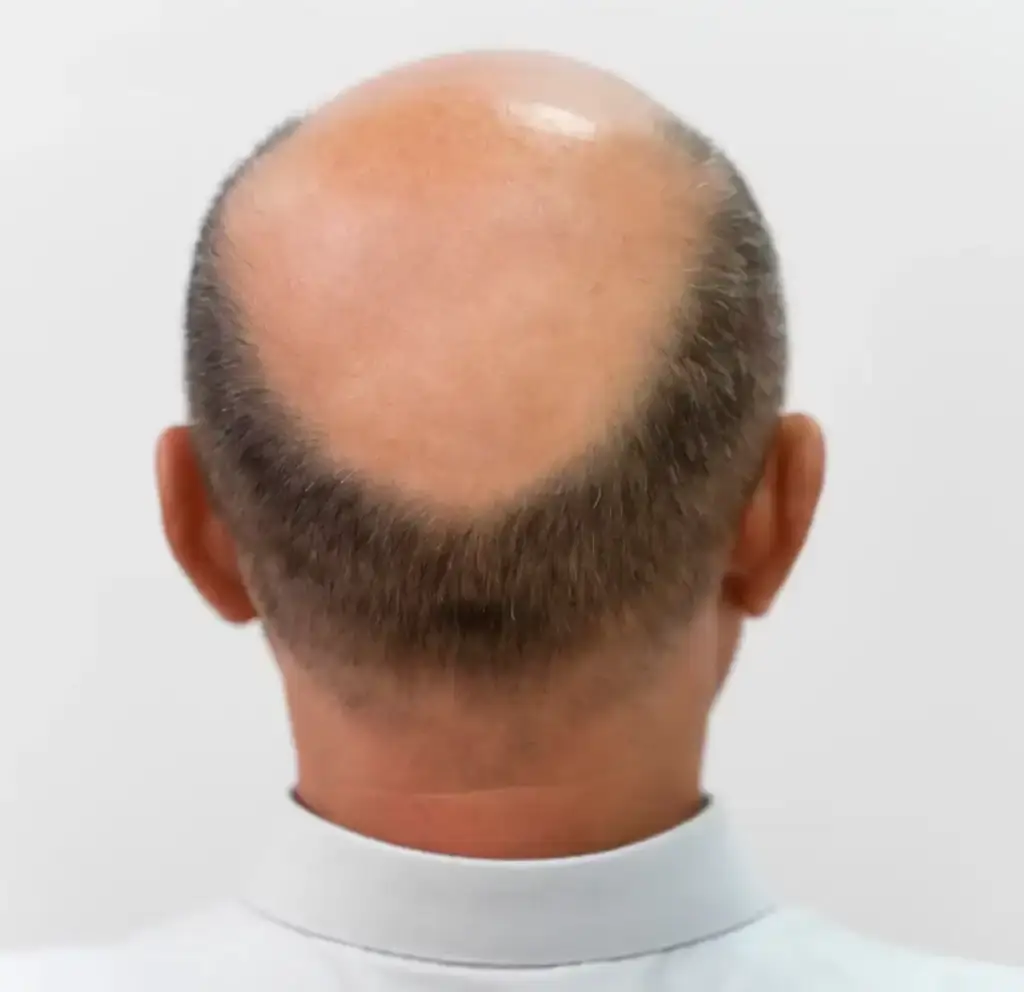
LLLT is generally not recommended as a standalone treatment for advanced, widespread baldness, since it works best on follicles that still have some active function.
Step Four: How LLLT Fits Alongside Other Hair Restoration Treatments
Many doctors recommend LLLT as a complementary treatment rather than a replacement for more established options. For patients recovering from surgical procedures, some clinics recommend LLLT as part of post-procedure scalp care to support the healing environment around newly placed grafts, whether following a male hair transplant or a female hair transplant.
Is LLLT Useful for Repair Cases: For patients who have undergone a previous procedure elsewhere and are now exploring corrective options, LLLT is sometimes included as a supportive element within a broader repair hair transplant plan, supporting overall scalp health around the areas being corrected, though it isn’t a substitute for the corrective procedure itself. Patients researching multi-city treatment approaches sometimes reference guides like this overview of the Best Hair Transplant in Lucknow to understand how doctor-led clinics structure combined, supportive treatment plans.
Step Five: What Results Should You Realistically Expect
LLLT typically requires consistent use over several months, often three sessions per week for in-clinic protocols or daily use for at-home devices, before any noticeable change appears. Results vary significantly based on individual factors, and it’s best understood as a tool for supporting existing hair health rather than a fast or dramatic solution.
How Evolved Hair India Positions LLLT in Treatment Plans
At Evolved Hair India, LLLT is recommended based on individual scalp assessment, either as a standalone option for very early-stage thinning or as a complementary treatment alongside other therapies, with realistic expectations set clearly from the start.
Low-level laser therapy won’t replace more established treatments for significant hair loss, but as a supportive, non-invasive option, it has a reasonable place in the right treatment plan. The key is using it with realistic expectations rather than as a substitute for proper diagnosis.
Frequently Asked Questions
1. Does low-level laser therapy actually regrow hair?
It can support existing follicle health and modestly improve thinning hair in early stages, though it’s generally not effective for fully bald, dormant areas.
2. How often do I need to use LLLT for results?
Most protocols require consistent use over several months, either through regular in-clinic sessions or daily at-home device use.
3. Is LLLT painful or does it have side effects?
No, LLLT is non-invasive and generally painless, with minimal reported side effects when used as directed.
4. Can I use an at-home LLLT device instead of visiting a clinic?
Yes, though at-home devices typically use lower-powered lasers and may require more consistent long-term use to achieve comparable results to in-clinic sessions.
5. Is LLLT effective for advanced baldness?
It’s generally not effective as a standalone treatment for advanced, widespread baldness, working best on areas with some remaining follicle activity.
6. Can LLLT be combined with a hair transplant?
Yes, some clinics recommend it as part of post-procedure scalp care to support healing, though it doesn’t replace the surgical procedure itself.
Common Reasons for Hair Loss in Gurgaon
High Pollution Levels
Hard Water Supply
Stress & Busy Lifestyle
Nutritional Deficiencies
Genetic Hair Loss
Hormonal Imbalances
Scalp Conditions & Medical Treatments
Meet Our Clinics and Hair Loss Experts
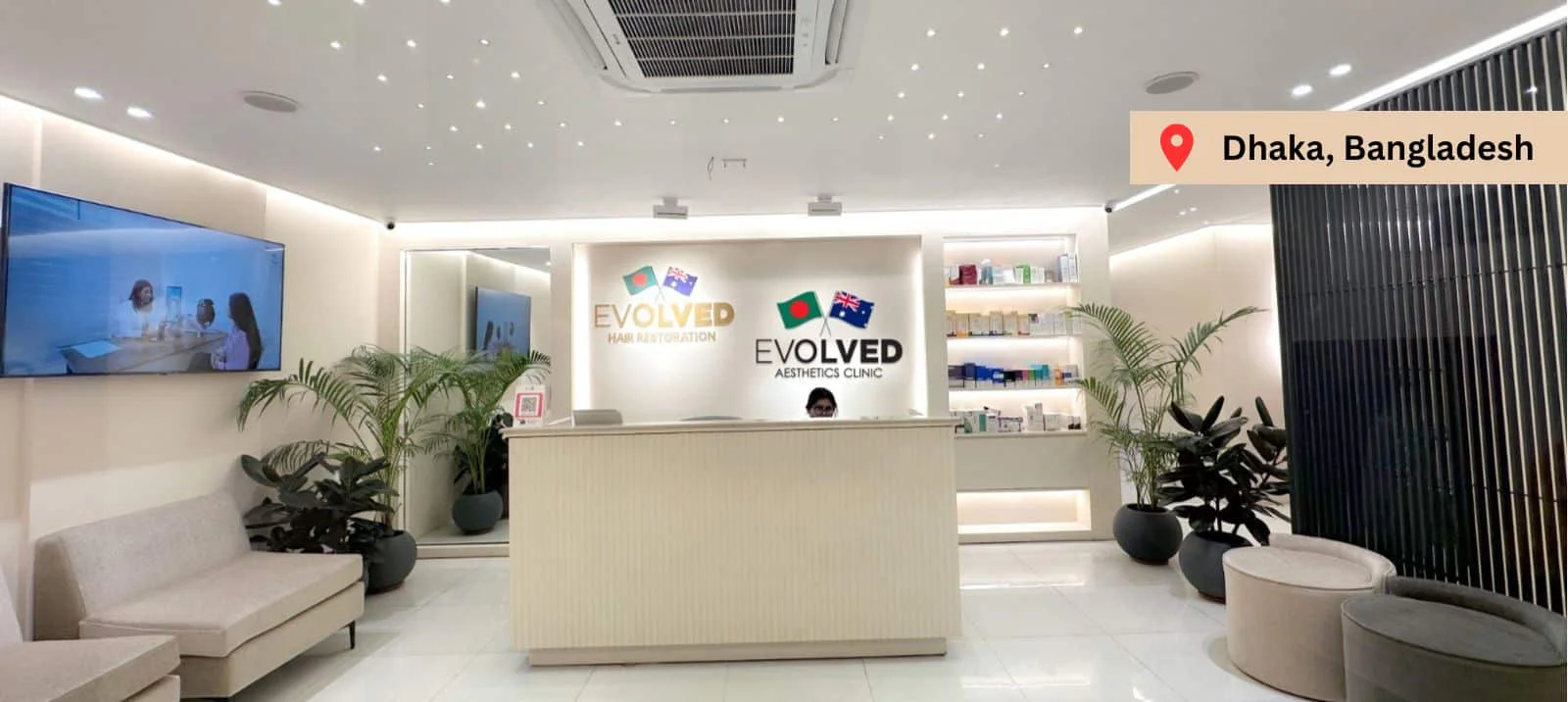
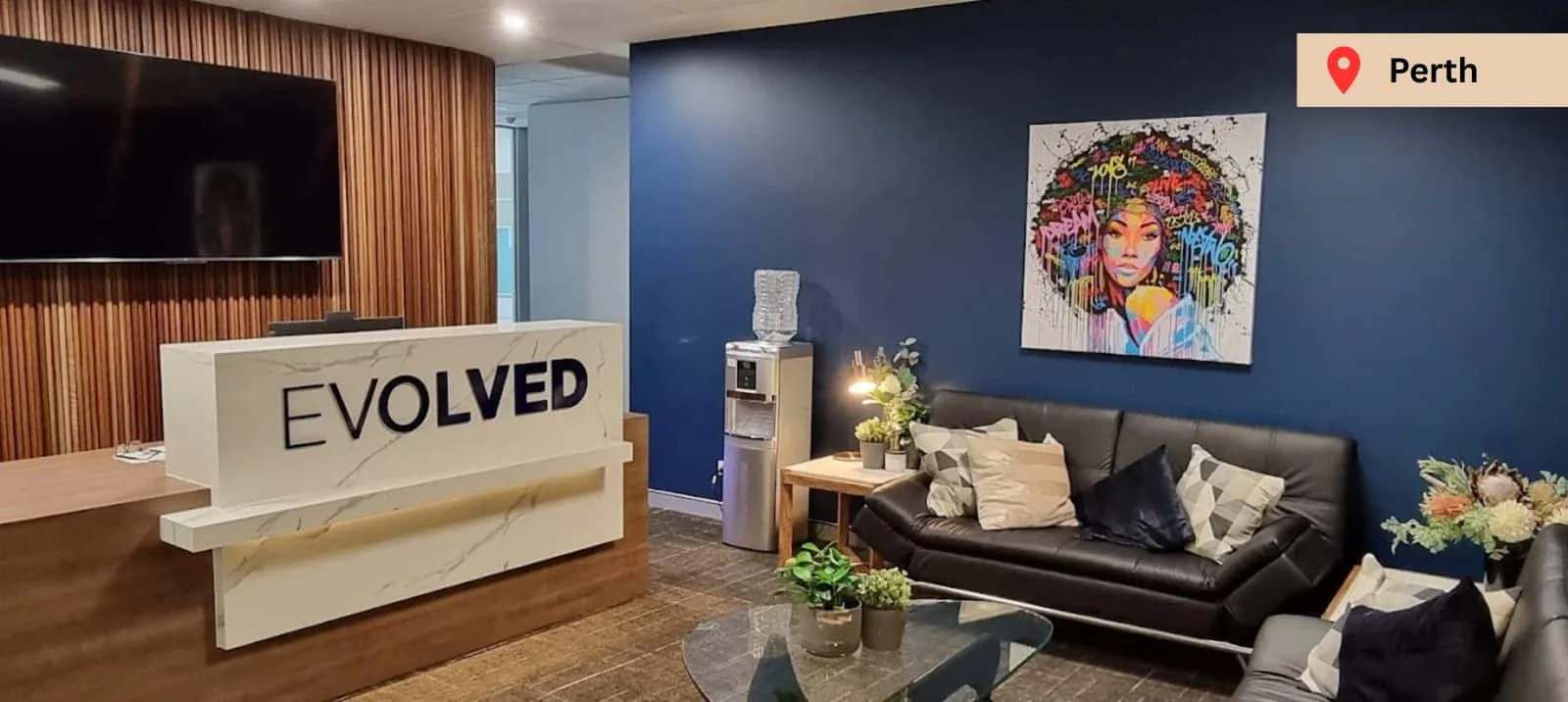
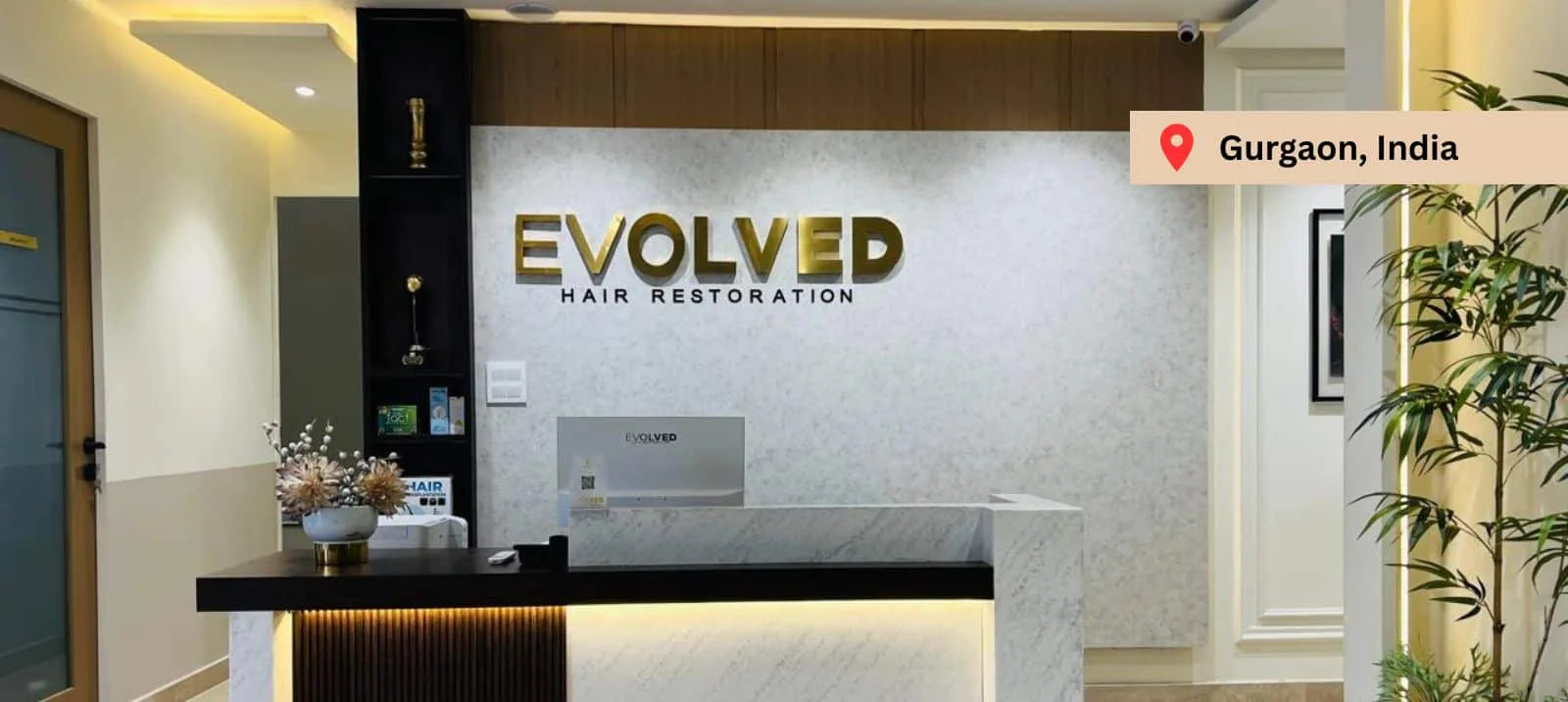
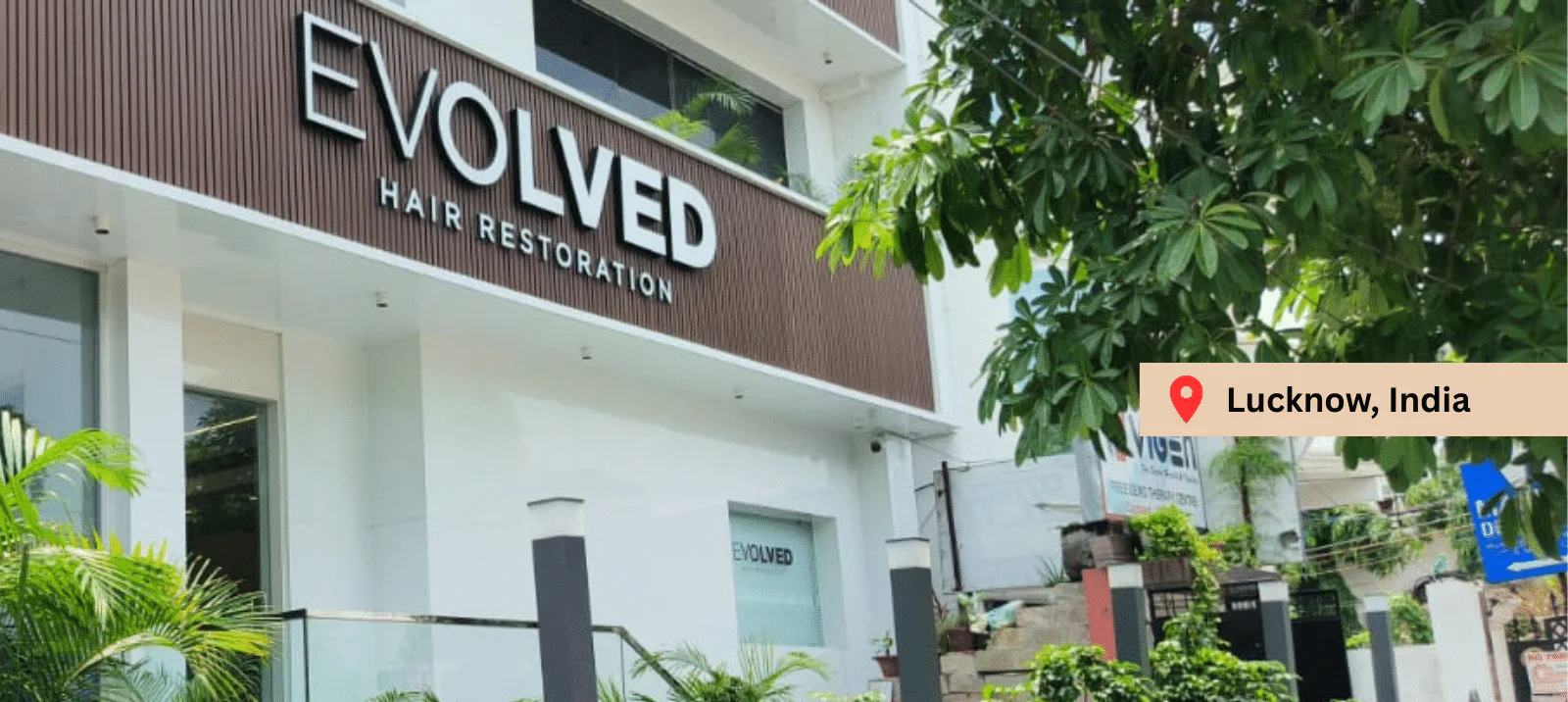
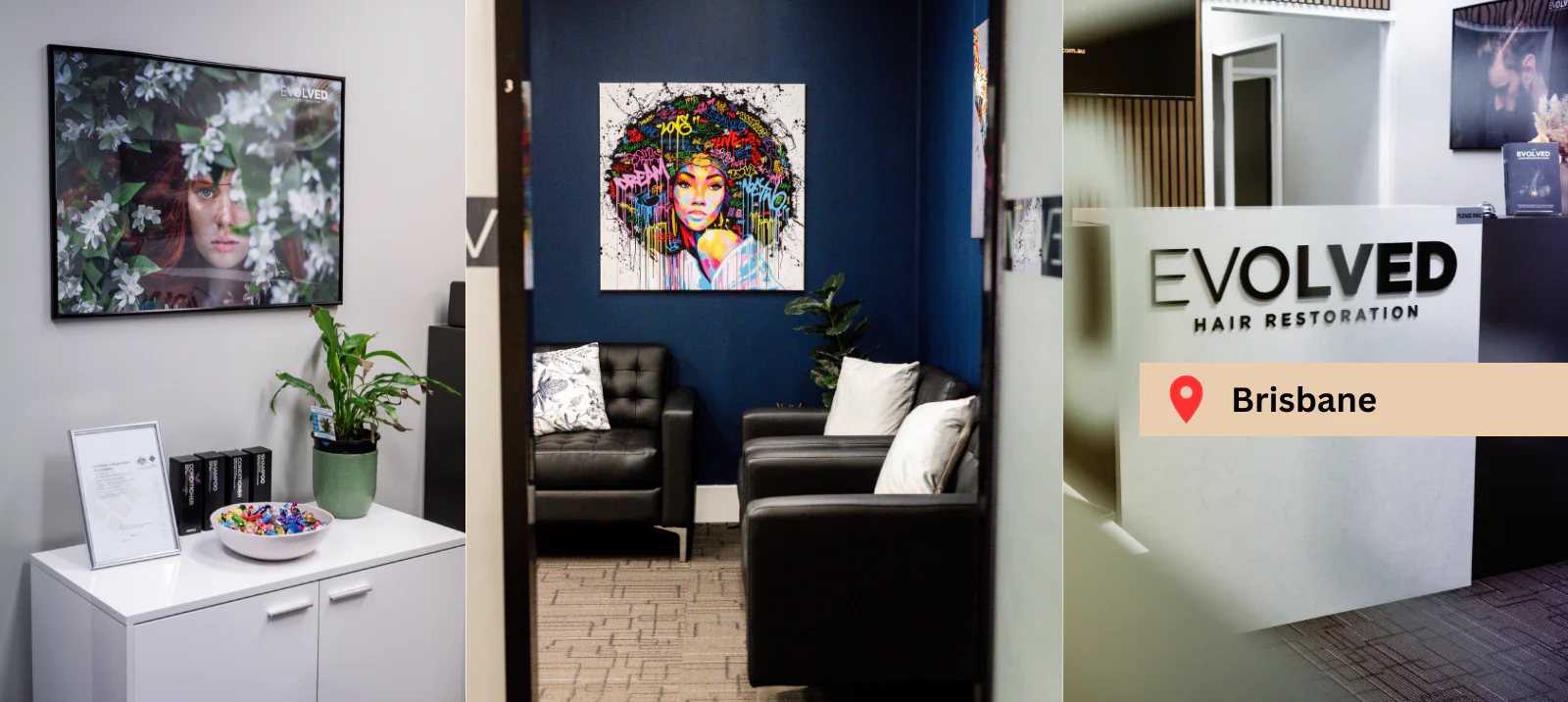
At Evolved Hair India, priority is given to the skills of our doctors and quality of treatment in our clinics. Each procedure is performed entirely from start to finish by experienced, qualified trained medical doctors (not assistants or technicians) to ensure that patients are always safe in their hands. Our direct technique is the most advanced in the world and provides the most natural results. The clinic infrastructure is high-tech, with rigid Australian standards of safety, and use the most sterile conditions to provide a comfortable and safe experience for all patients. It is this dedication to excellence in both clinical care and medical expertise that makes Evolved Hair India the go-to name in hair restoration.
Our Clinics
Our Doctors
Have Queries? - Get in Touch
Book Appointment
Our Blogs
Views on latest research, innovation technologies and best practices