






Finding the Right Hair Transplant Doctor in Gurgaon

Most Trusted Hair Transplant Clinic in India
Hairs Restored Globally
Hairs Restored Globally
There’s a reason we’re setting the standard in hair restoration across Australia, India, and Latin America
At Evolved, we take pride in our clinics spanning across 3 continents (India, Australia and Latin America) led by our Medical Director, Dr Ajay Dubey, with over 20 years of hair transplant experience and an International Trichologist, Paul Green, with more than 30 years of experience in advising on hair and scalp issues — we’re committed to excellence in every hair we regrow.
Unlike many other clinics in Lucknow, every procedure at Evolved is exclusively led and performed by qualified doctors, following Australian safety protocols and NMC (National Medical Council) guidelines.
We’re more than just a clinic – we are a global leader in hair restoration. Join the thousands who have trusted us to live a fuller, more confident life.
Technique
FUT vs FUE vs Direct (Advanced Implanter Technique)
| Area | Parameter | FUT Technique | FUE Technique | Evolved’s Direct Technique |
|---|---|---|---|---|
| Extraction | Method | Surgical strip removal | Grafts removed via reusable punches | Grafts removed via single-use, imported micro-punches |
| Invasiveness and Level of Pain | Highly painful – cutting & sutures | Moderate pain | Pain-free | |
| Who Performs Extraction? | Technicians / Nurses | Technicians / Nurses | Only qualified Doctor | |
| Scarring | Linear scar | Dot-like scars | Undetectable scars | |
| Graft Preservation | Graft Exposure Time and Survival | <60% | 70–80% | ~100% |
| Implantation | Method | 2 steps slit method | 2 steps slit method | 1 step with Choi implanter |
| Who Inserts the Follicles? | Technicians / Nurses | Technicians / Nurses | Only qualified Doctors | |
| Angle, Depth, Direction Control | No control due to technician involvement | No control due to technician involvement | 100% Doctor-led precise control | |
| Recovery Time | ~2 months | ~2 weeks | ~2 days |
Technique
Finding the Right Hair Transplant Doctor in Gurgaon: A Trust-First Framework
look for the rest of your life. That reframing changes everything about how you should search for a hair transplant doctor in Gurgaon. This guide is built entirely around trust, how to earn it, how to test for it, and how to recognise the doctor who deserves it, because in hair restoration, the person holding the instruments matters more than any brochure ever could.
Why Trust Is the Right Lens
Hair restoration is unusual among medical procedures. The result is permanent, highly visible, and judged by everyone you meet. A poorly placed hairline cannot be quietly undone. So the doctor you choose is not just a service provider; they are someone whose judgement you are trusting on decisions you cannot easily reverse.
That is why a trust-first framework beats a price-first or convenience-first one. The cheapest or nearest doctor is irrelevant if you cannot trust their hands. Let us build that trust systematically.
Trust Signal One: The Doctor Does the Work Themselves
Trust begins with knowing who actually performs your surgery. In many Gurgaon clinics, the doctor designs the hairline and then technicians carry out much of the extraction and implantation.
At Evolved Hair, the entire procedure is performed end-to-end by the doctor, with no outsourcing to technicians or nurses. This matters because the best result is not determined by the branded name of a technique. It is determined by who performs the critical steps, how carefully grafts are handled, and how naturally the procedure is planned. A doctor willing to stand behind every stage personally is a doctor you can begin to trust.
Ask plainly: “Will you personally perform my extraction and implantation from start to finish?” The clarity of the answer is your first trust reading.
Trust Signal Two: Diagnosis Before Recommendation
A trustworthy doctor examines before they advise. A proper first assessment includes:
- A physical scalp examination, ideally under magnification
- A pull test to check whether your shedding is still active
- A discussion of your family history and how your hair loss has progressed
- An honest read of whether your follicles are still active or have stopped functioning
At Evolved Hair, this is performed directly by the doctor, following National Medical Commission guidelines and Australian safety protocols. A doctor who diagnoses carefully before recommending treatment is treating you as an individual case, not a sales opportunity, and that is the foundation of clinical trust.
Trust Signal Three: The Willingness to Say No
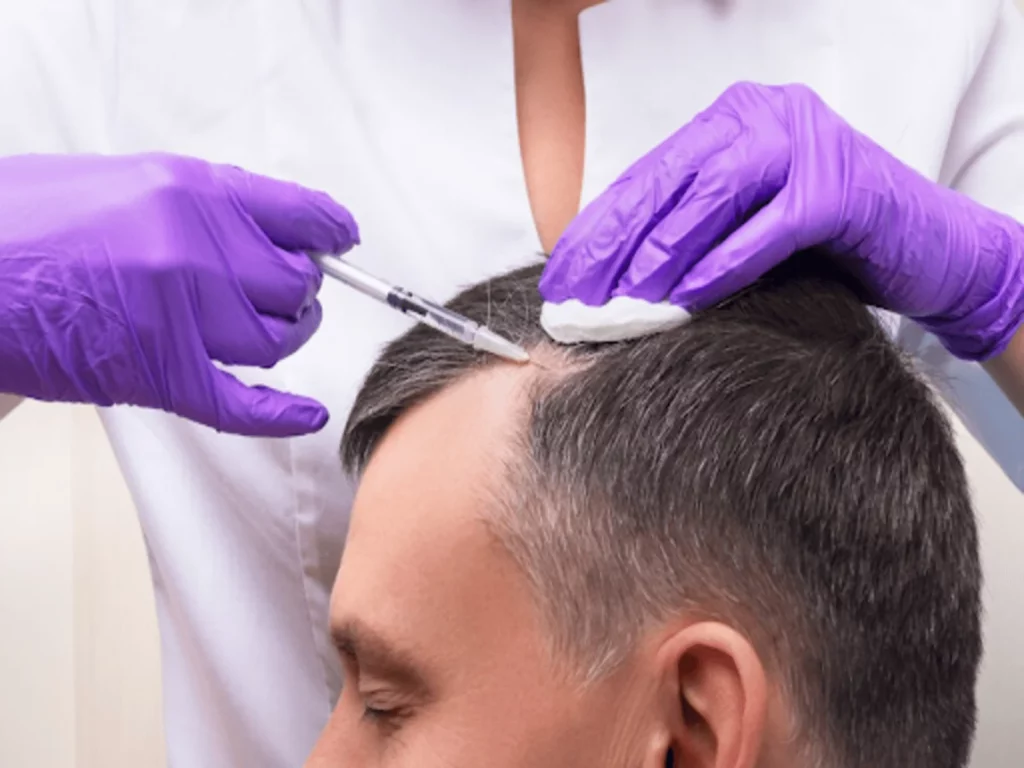
Perhaps the strongest trust signal of all is a doctor who tells you that you do not need surgery yet. If your follicles are still active, non-surgical treatment may be the better first step. Our PRP page explains one such regenerative option that supports weakened but living follicles.
A doctor who recommends the smaller, less expensive path when it genuinely suits you is demonstrating that your outcome matters more than their invoice. That is trust in action, and it is rare enough to be worth seeking out.
Trust Signal Four: Transparency About Technique
A doctor you can trust explains their methods in plain language rather than hiding behind marketing names. The main approaches are Follicular Unit Extraction, where follicles are removed individually with a fine punch, and the Direct Technique, also called Modified FUE, where follicles are implanted almost immediately after extraction to reduce their time outside the body.
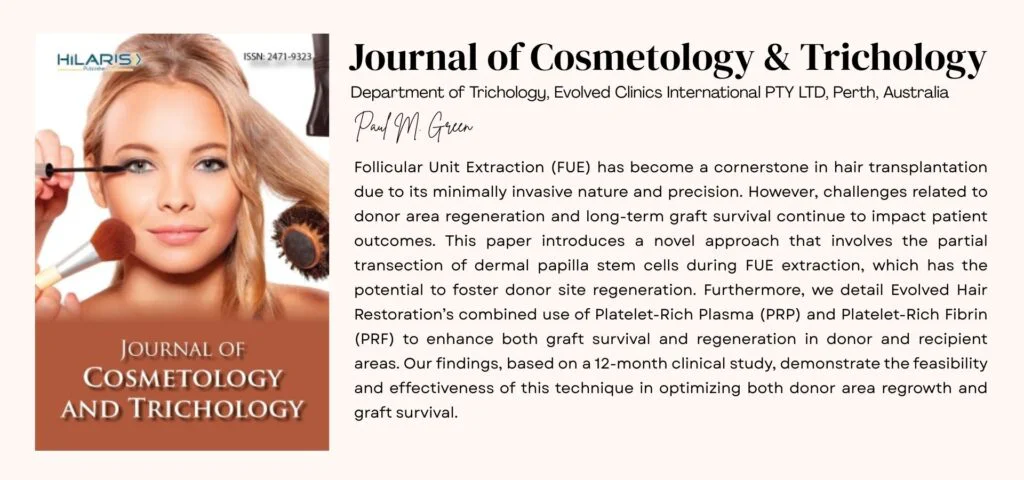
Evolved Hair’s Direct Technique is a refined form of Follicular Unit Extraction, backed by published research on donor-area preservation in the Journal of Cosmetology & Trichology. A doctor who can explain their technique clearly and point to evidence rather than slogans gives you something concrete to trust.
Trust Signal Five: Honesty About Outcomes
Trustworthy doctors set realistic expectations. They explain that:
- Initial shedding after the procedure is normal, not failure
- Visible growth typically begins around months three to four
- Fuller results develop over 9 to 12 months
- Outcomes vary by individual, donor quality, and aftercare
A doctor who promises guaranteed density or instant transformation is asking you to trust a claim no honest practitioner would make. Realism, not salesmanship, is what earns genuine confidence.
Trust Signal Six: Depth With Difficult Cases
You can trust a doctor more when they handle the hard cases well. Advanced baldness demands careful donor management and long-term design. Repair hair transplantation, correcting a previous unnatural hairline or poor angles, has the smallest margin for error. A doctor confident with these has been tested in ways routine hair transplants never test, and that proven depth deserves trust. For a fuller picture of structured surgical planning, our male hair transplant page is a useful reference.
Trust and the Female Patient
If you are a woman, trust also depends on whether the doctor recognises that female hair loss is usually diffuse rather than a receding hairline, and plans accordingly. Our female hair transplant page explains this distinction. A doctor who applies a male-pattern approach to a female case has not earned your trust for that case.
Building Your Own Trust Assessment
After a consultation, ask yourself honestly: Did the doctor examine me before advising? Did they perform the procedure themselves? Did they explain my options, including non-surgical ones, without pressure? Did they set realistic expectations? If the answer to most of these is yes, you have found a doctor worth trusting. If the consultation felt rushed or sales-driven, trust your instinct and keep looking.
Choosing a hair transplant doctor in Gurgaon through a trust-first lens strips away the marketing and focuses on what actually matters: a person who examines you honestly, performs your procedure personally, explains your options without pressure, and tells you the truth about results. Find that person, and you have found not just a doctor but someone you can genuinely trust with a permanent, visible decision.
Frequently Asked Questions
What’s the biggest trust signal from a hair transplant doctor?
Whether they personally perform your extraction and implantation, since this shapes your result most.
Should a doctor examine me before recommending treatment?
Yes, a proper scalp examination should always come before any recommendation or price.
Is a doctor who suggests non-surgical options trustworthy?
Yes, recommending options like PRP when surgery is not yet needed shows they prioritise your outcome.
Can I trust a doctor who guarantees results?
Be cautious, since outcomes vary by individual and no honest doctor promises guaranteed results.
Does repair-case experience build trust?
Yes, confidence with repair and advanced cases reveals genuine, tested surgical skill.
Should I trust my instinct after a consultation?
Yes, if a consultation felt rushed or sales-driven, that is a valid reason to keep looking.
Common Reasons for Hair Loss in Gurgaon
High Pollution Levels
Hard Water Supply
Stress & Busy Lifestyle
Nutritional Deficiencies
Genetic Hair Loss
Hormonal Imbalances
Scalp Conditions & Medical Treatments
Meet Our Clinics and Hair Loss Experts
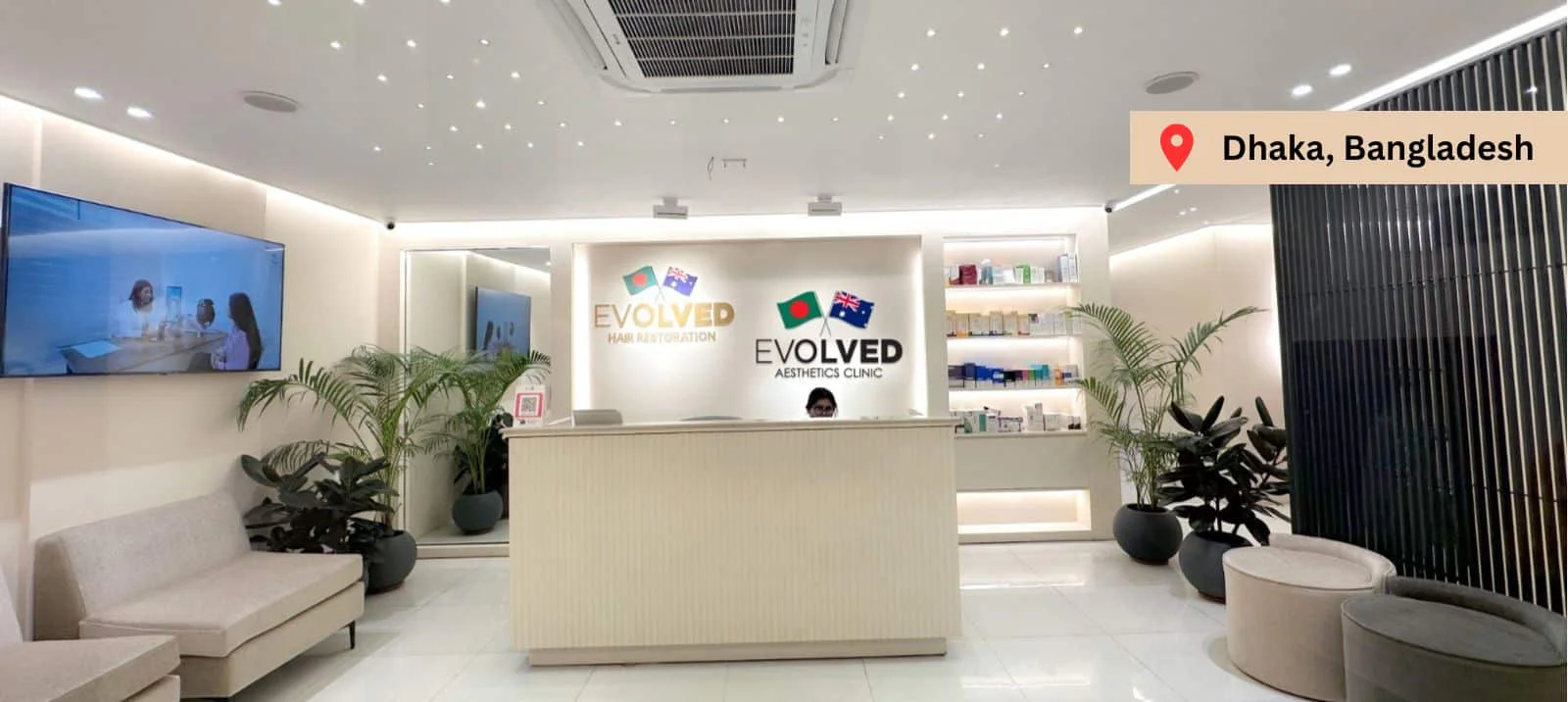
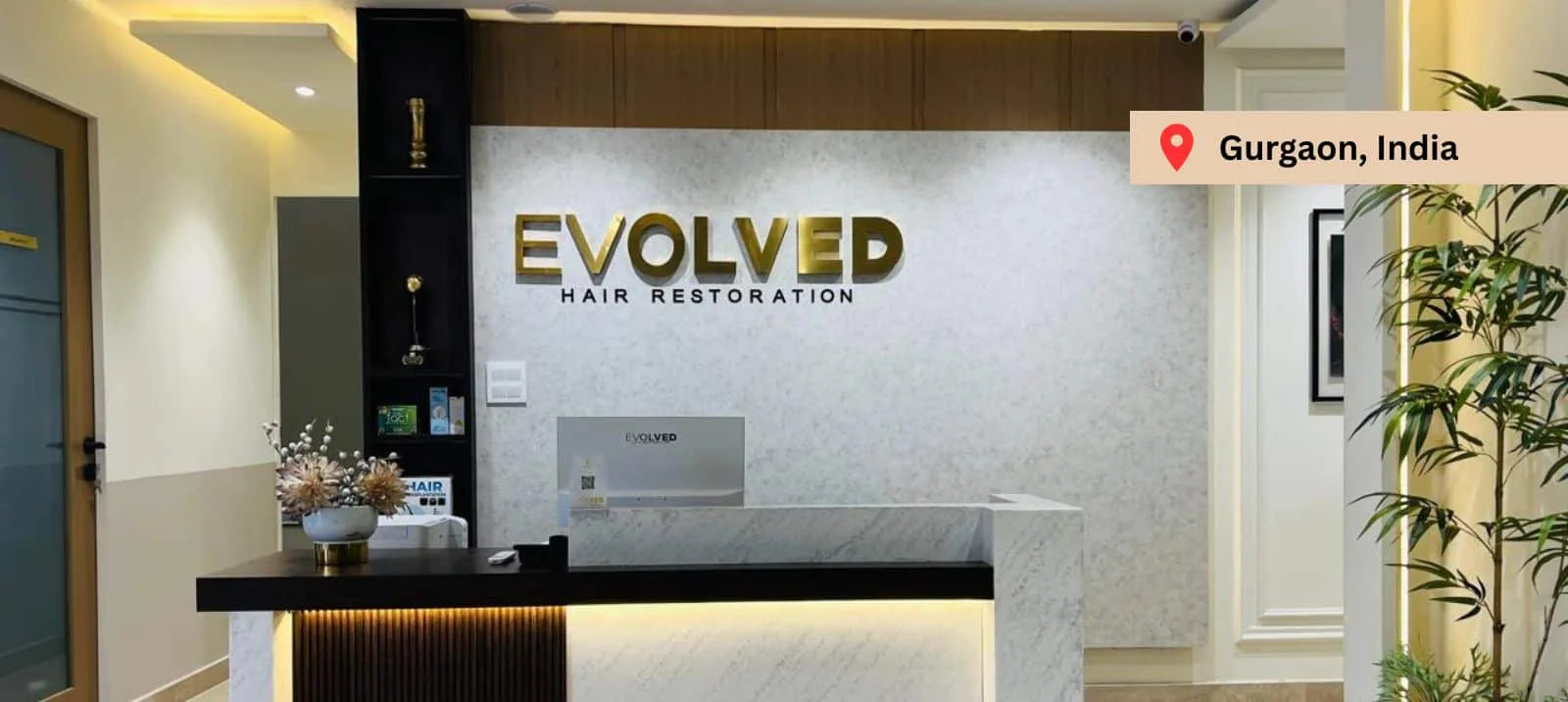
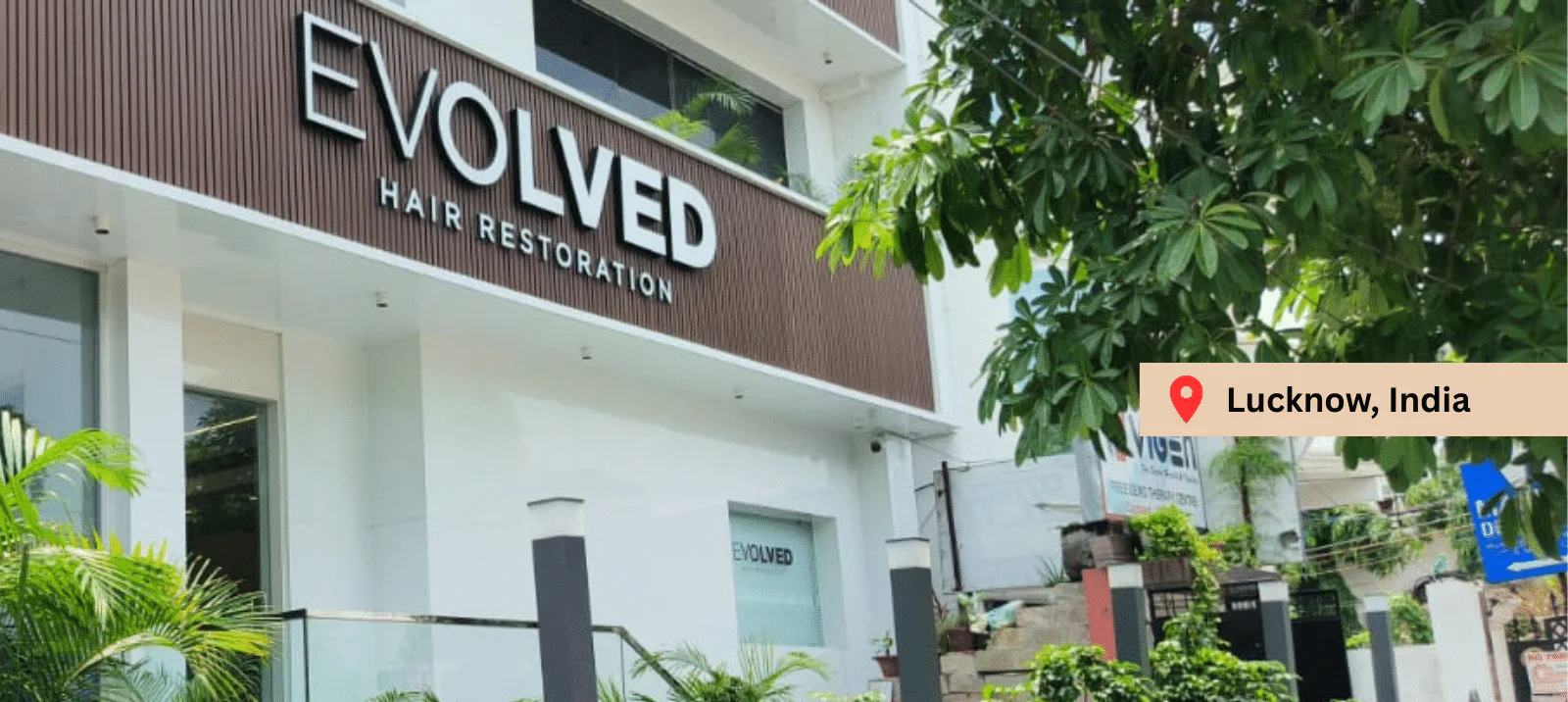
At Evolved Hair India, priority is given to the skills of our doctors and quality of treatment in our clinics. Each procedure is performed entirely from start to finish by experienced, qualified trained medical doctors (not assistants or technicians) to ensure that patients are always safe in their hands. Our direct technique is the most advanced in the world and provides the most natural results. The clinic infrastructure is high-tech, with rigid Australian standards of safety, and use the most sterile conditions to provide a comfortable and safe experience for all patients. It is this dedication to excellence in both clinical care and medical expertise that makes Evolved Hair India the go-to name in hair restoration.
Our Clinics


Our Doctors
Have Queries? - Get in Touch
Book Appointment
Our Blogs
Views on latest research, innovation technologies and best practices