





Beard Transplant in Gurugram

Most Trusted Hair Transplant Clinic in India
Hairs Restored Globally
Hairs Restored Globally
There’s a reason we’re setting the standard in hair restoration across Australia, India, and Latin America
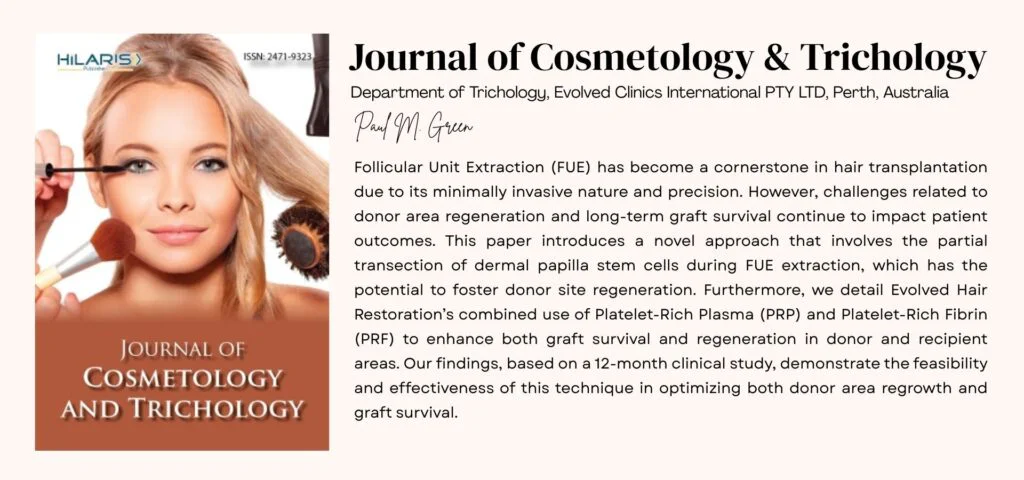
At Evolved, we take pride in our clinics spanning across 3 continents (India, Australia and Latin America) led by our Medical Director, Dr Ajay Dubey, with over 20 years of hair transplant experience and an International Trichologist, Paul Green, with more than 30 years of experience in advising on hair and scalp issues — we’re committed to excellence in every hair we regrow.
Unlike many other clinics in Lucknow, every procedure at Evolved is exclusively led and performed by qualified doctors, following Australian safety protocols and NMC (National Medical Council) guidelines.
We’re more than just a clinic – we are a global leader in hair restoration. Join the thousands who have trusted us to live a fuller, more confident life.
Technique
FUT vs FUE vs Direct (Advanced Implanter Technique)
| Area | Parameter | FUT Technique | FUE Technique | Evolved’s Direct Technique |
|---|---|---|---|---|
| Extraction | Method | Surgical strip removal | Grafts removed via reusable punches | Grafts removed via single-use, imported micro-punches |
| Invasiveness and Level of Pain | Highly painful – cutting & sutures | Moderate pain | Pain-free | |
| Who Performs Extraction? | Technicians / Nurses | Technicians / Nurses | Only qualified Doctor | |
| Scarring | Linear scar | Dot-like scars | Undetectable scars | |
| Graft Preservation | Graft Exposure Time and Survival | <60% | 70–80% | ~100% |
| Implantation | Method | 2 steps slit method | 2 steps slit method | 1 step with Choi implanter |
| Who Inserts the Follicles? | Technicians / Nurses | Technicians / Nurses | Only qualified Doctors | |
| Angle, Depth, Direction Control | No control due to technician involvement | No control due to technician involvement | 100% Doctor-led precise control | |
| Recovery Time | ~2 months | ~2 weeks | ~2 days |
Technique
Beard Transplant in Gurugram: A Realistic Look at Getting the Facial Hair You Want
A beard has become a statement for many men in Gurugram, part of style, identity, and confidence. But genetics doesn’t hand everyone a full one. Patchy cheeks, a thin jawline, or bare spots can put the beard you want out of reach. A beard transplant offers a permanent solution, but going in with realistic expectations matters as much as the procedure itself. This piece takes an honest, grounded look at what a beard transplant in Gurugram actually delivers, and what it doesn’t.
Who Actually Needs a Beard Transplant?
Let’s start with honesty about candidacy. A beard transplant genuinely helps in specific situations:
- Naturally patchy or sparse beard growth from genetics or hormones
- Bare areas from scarring, whether acne, injury, or burns
- Gaps that break up an otherwise connected beard, like a disconnected moustache
- A desire for greater overall density for a fuller style
If your beard is simply thinner than you’d like but growing evenly, a transplant may add density. If large areas grow nothing at all, a transplant can fill them, provided you have adequate donor supply.
Where the Donor Hair Comes From
An honest look means explaining the trade-off. Beard transplants typically use donor hair from the scalp, occasionally from the body. This matters because:
- Scalp hair characteristics are selected to mimic facial hair as closely as possible
- Transplanted beard hair grows at scalp-hair length, so it needs trimming
- Your available donor supply sets a realistic ceiling on how much density is achievable
A good clinic assesses your donor area honestly rather than promising more than your supply can deliver.
The Precision the Procedure Demands
Facial hair is unforgiving of imprecision, because it’s on display in every conversation. This makes angle and direction critical. Beard hair grows at specific, often acute angles that differ across the face:
- The cheeks, jawline, chin, and moustache area each have distinct growth directions
- Getting the angle wrong produces a spiky, unnatural result
- Single-hair placement is often needed for the most natural edges
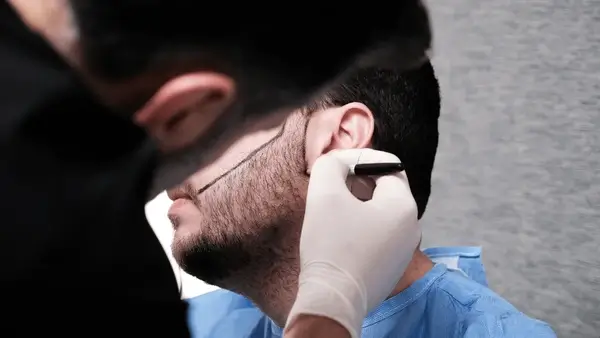
This is why the surgeon’s precision matters enormously. The defensible principle here is that the best result isn’t determined by the branded name of a technique; it’s determined by who performs the critical steps, how carefully grafts are handled, and how naturally the procedure is planned. At Evolved Hair, the entire procedure is performed end-to-end by the doctor, with no nurses involved in any stage of the surgery, which is one of the clinic’s primary differentiators.
The Techniques Used
A good clinic selects the right technique for facial hair work:
- FUE (Follicular Unit Extraction): Individual follicles are extracted, allowing selective harvesting of hair suited to facial growth
- Direct Hair Implantation (Transplantation): Also known as the Direct Technique or Modified FUE, where precise angle and depth control helps recreate natural facial hair direction
The Realistic Timeline
Here’s where honesty prevents disappointment. A beard transplant is not an overnight transformation. The timeline unfolds gradually:
- Days 1 to 7: Mild redness, small scabs, possible slight swelling
- Weeks 2 to 3: Transplanted hairs often shed, which is normal, not failure
- Months 2 to 4: Early regrowth begins, fine at first
- Months 6 to 12: Density builds progressively toward the final result
The shedding phase surprises many patients, so understanding it upfront prevents unnecessary panic.
What the Procedure Day Looks Like
- Local anaesthesia is applied to the donor and recipient areas
- Follicles are extracted, usually from the scalp
- Each follicle is implanted into the beard area at the correct angle and direction
- The process continues until the planned graft count is completed
Duration depends on the number of grafts required, often spanning several hours.
Design: The One-Time Decision
An honest look means stressing this: beard design is largely permanent once grafts are placed. Density, coverage area, growth direction, and jawline definition are decided during planning and are difficult to substantially change afterwards.
This is why the design consultation deserves real attention. A doctor-led assessment should walk through your desired density, how the beard integrates with existing growth, and how it will age. Rushing this stage is how patients end up with a beard that grew but doesn’t suit them.
Setting Honest Expectations
A beard transplant can meaningfully improve density and coverage, but outcomes vary by individual, donor supply, and aftercare. Some cases benefit from a second session for maximum density. No ethical clinic guarantees a specific graft survival percentage without a clinical basis or promises an identical outcome to a gallery photo.
Is Surgery Always the Answer?
Not necessarily. If your concern is more about overall thinning than specific bare patches, or if you’re exploring options broadly, it’s worth understanding the wider hair loss landscape. For scalp hair loss specifically, our male hair transplant page explains how diagnosis feeds into planning, and the same doctor-led diagnostic principle applies to facial hair.
Aftercare That Protects Your Result
An honest look includes the unglamorous part: aftercare determines how well your result holds.
- Follow the aftercare routine exactly, including any prescribed care
- Avoid touching or scratching the treated area during healing
- Keep scheduled follow-up visits
- Avoid heavy sweating and direct sun during initial recovery
Skipping these steps is a common reason results fall short of what was achievable.
The Bottom Line
A beard transplant in Gurugram is a permanent solution for patchy or sparse facial hair, but an honest look reveals it’s a considered decision, not an impulse. Success rests on realistic candidacy, adequate donor supply, precise angle work, a well-planned design, and patience through a year-long growth timeline. Approach it with clear eyes and a doctor-led plan, and it can genuinely give you the beard you’ve been after.
Frequently Asked Questions
Where does beard transplant donor hair come from?
Usually the scalp, selected for characteristics suited to facial hair growth.
Why do transplanted beard hairs shed early?
Initial shedding in the first weeks is a normal part of the hair growth cycle, not failure.
How long until my beard fills in?
Density builds over six to twelve months, with final results around a year.
Can I change the beard design later?
Major changes are difficult after surgery, which is why the design consultation is so important.
Might I need a second session?
Some patients do, for maximum density, depending on donor supply and goals.
Are results guaranteed?
No, outcomes vary by individual and donor supply, and no ethical clinic promises identical results.
Common Reasons for Hair Loss in Gurgaon
High Pollution Levels
Hard Water Supply
Stress & Busy Lifestyle
Nutritional Deficiencies
Genetic Hair Loss
Hormonal Imbalances
Scalp Conditions & Medical Treatments
Meet Our Clinics and Hair Loss Experts
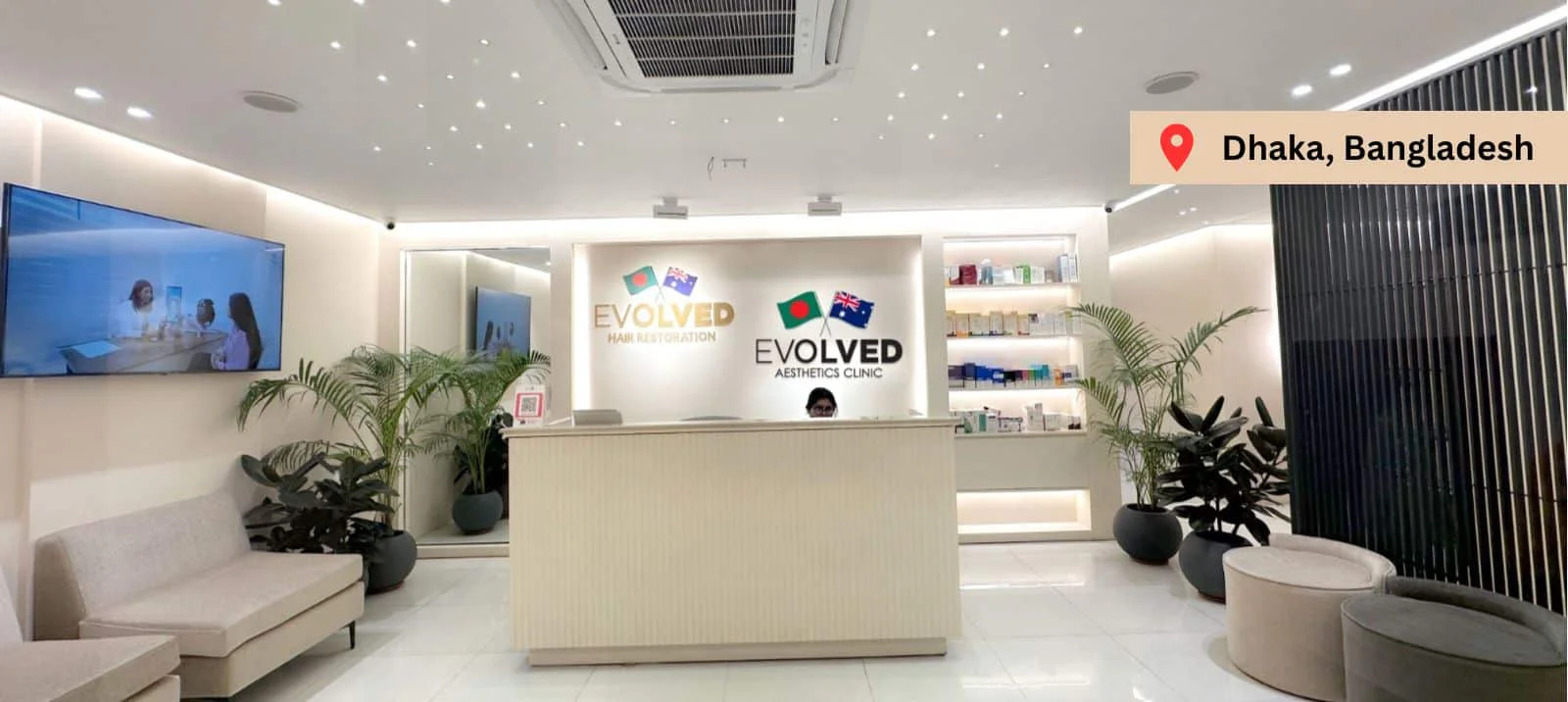
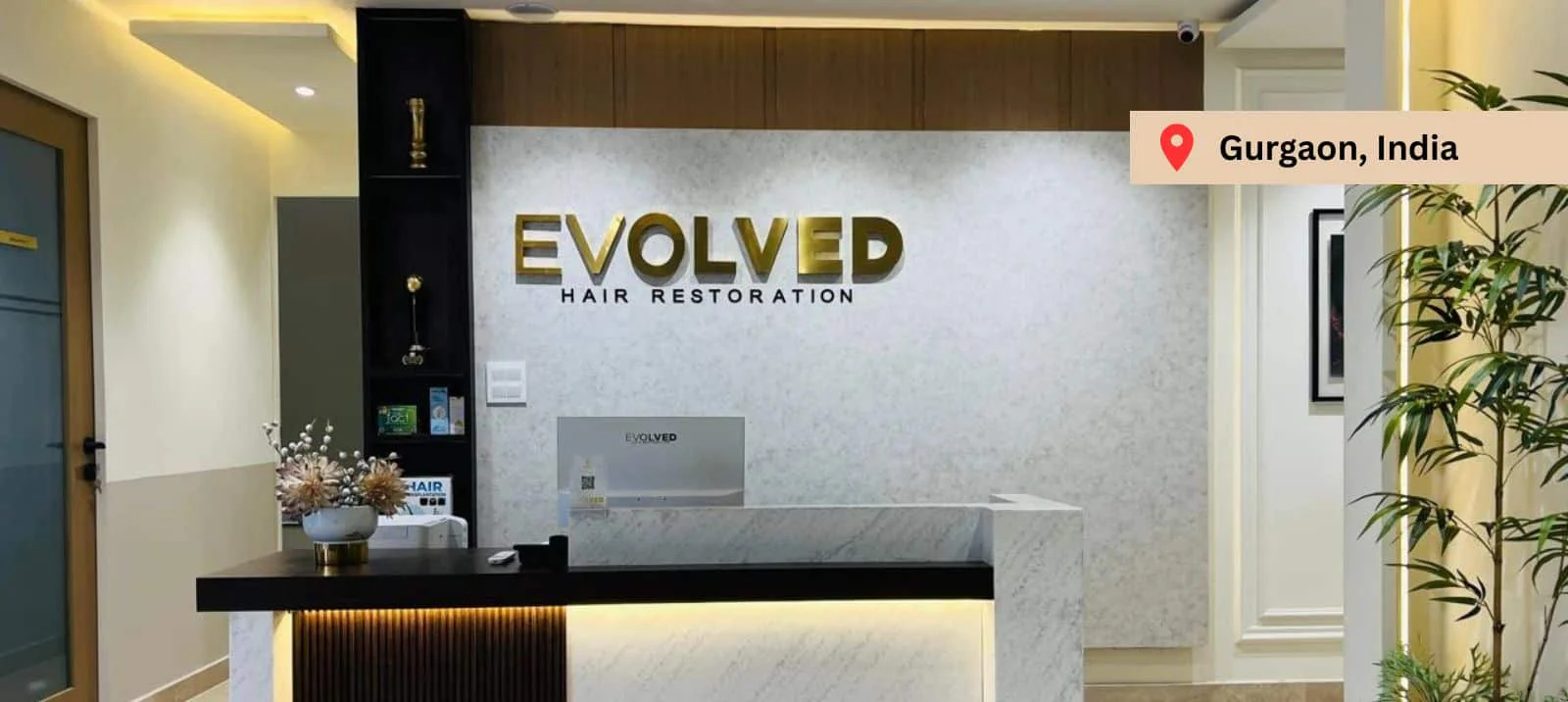
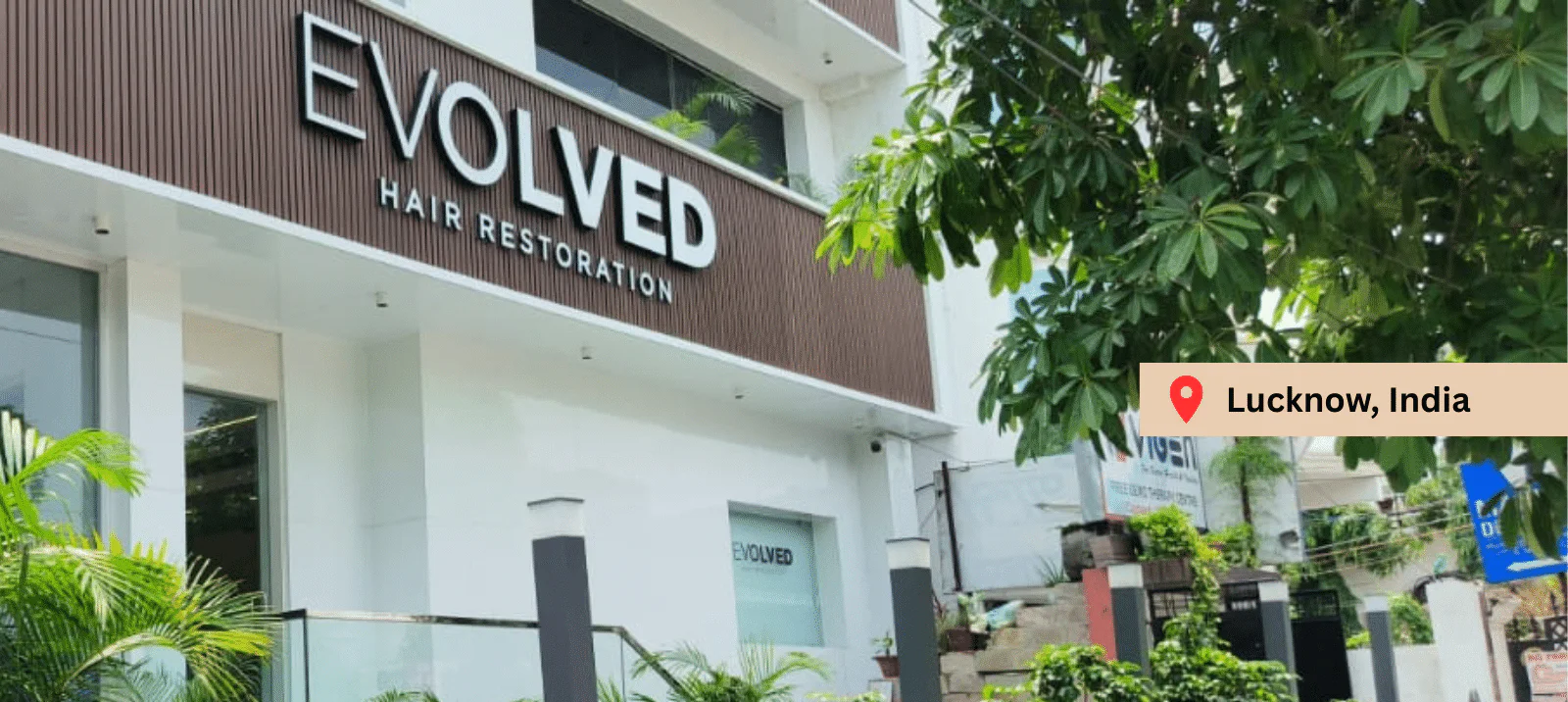
At Evolved Hair India, priority is given to the skills of our doctors and quality of treatment in our clinics. Each procedure is performed entirely from start to finish by experienced, qualified trained medical doctors (not assistants or technicians) to ensure that patients are always safe in their hands. Our direct technique is the most advanced in the world and provides the most natural results. The clinic infrastructure is high-tech, with rigid Australian standards of safety, and use the most sterile conditions to provide a comfortable and safe experience for all patients. It is this dedication to excellence in both clinical care and medical expertise that makes Evolved Hair India the go-to name in hair restoration.
Our Clinics


Our Doctors
Have Queries? - Get in Touch
Book Appointment
Our Blogs
Views on latest research, innovation technologies and best practices